Understanding Cognitive Biases: Enhancing Decision-Making in Complex Environments
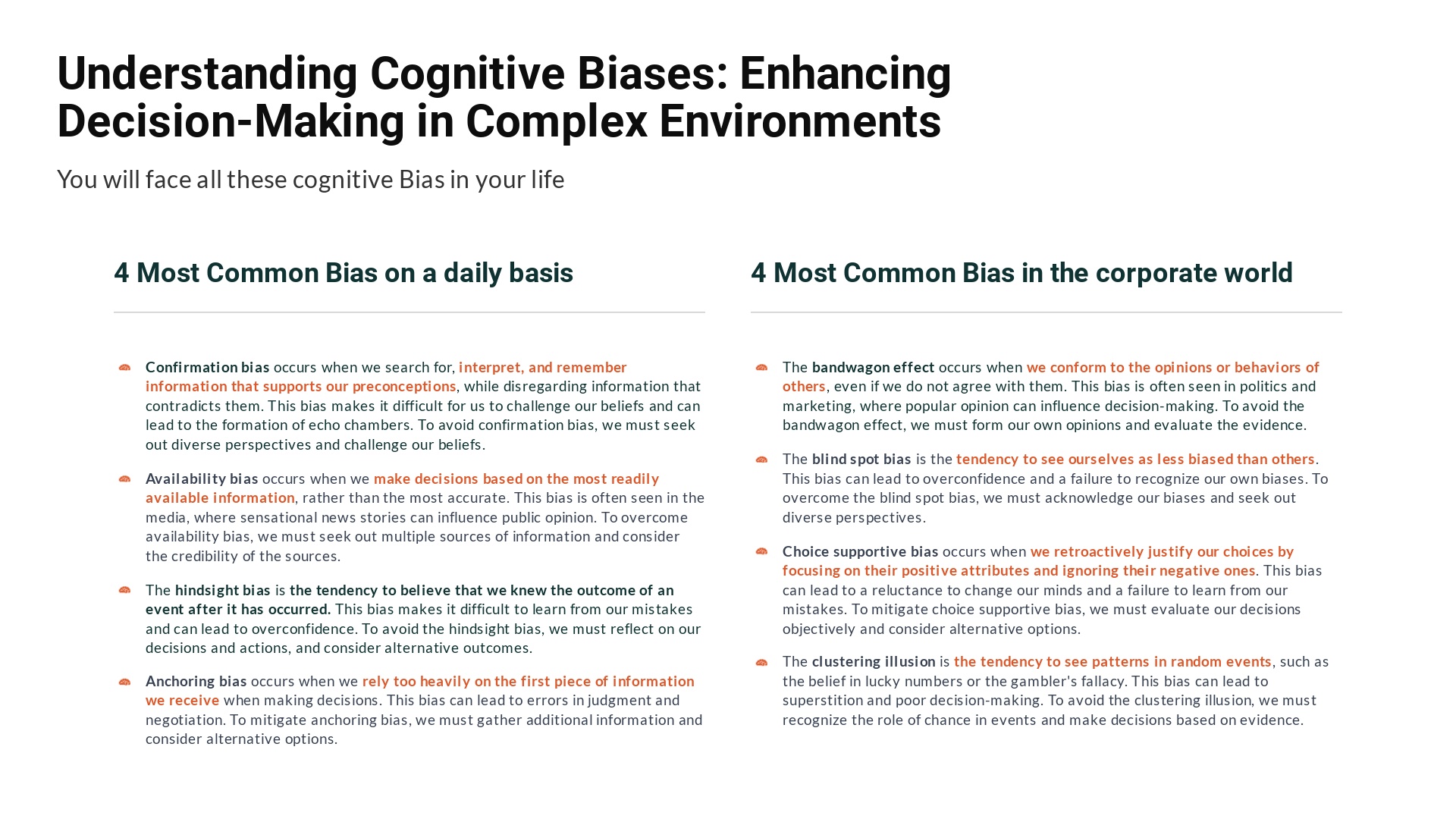
Understanding cognitive biases is crucial in the high-stakes environment of commodity trading, where decisions must be made swiftly and under conditions of uncertainty. The volatile nature of commodity markets means that prices can fluctuate widely due to factors like geopolitical events, changes in supply and demand, and economic indicators. Traders who understand their cognitive biases can make more rational and informed decisions, potentially leading to better outcomes.
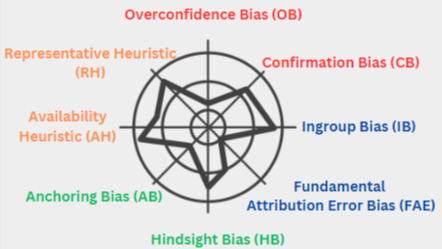
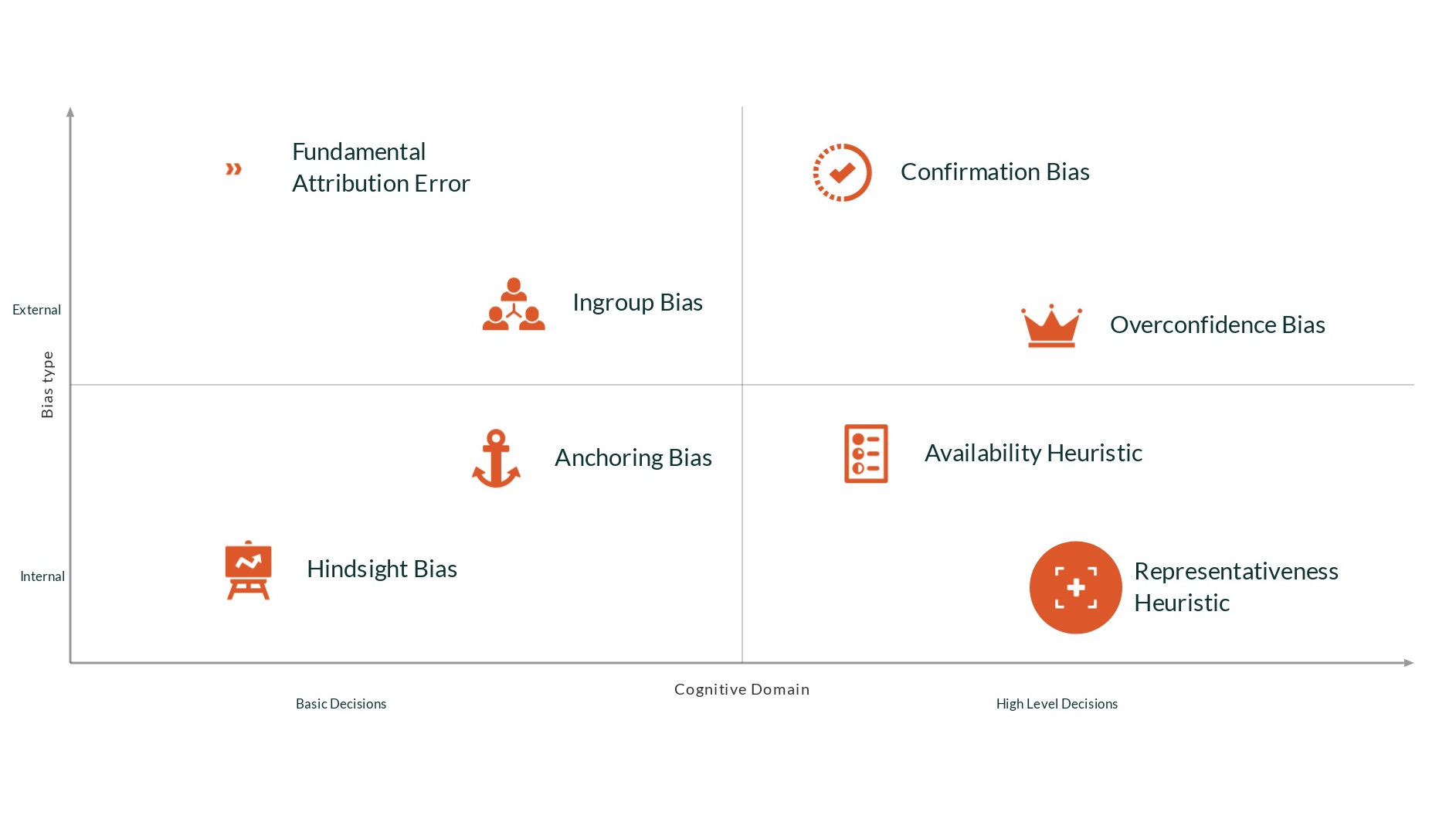
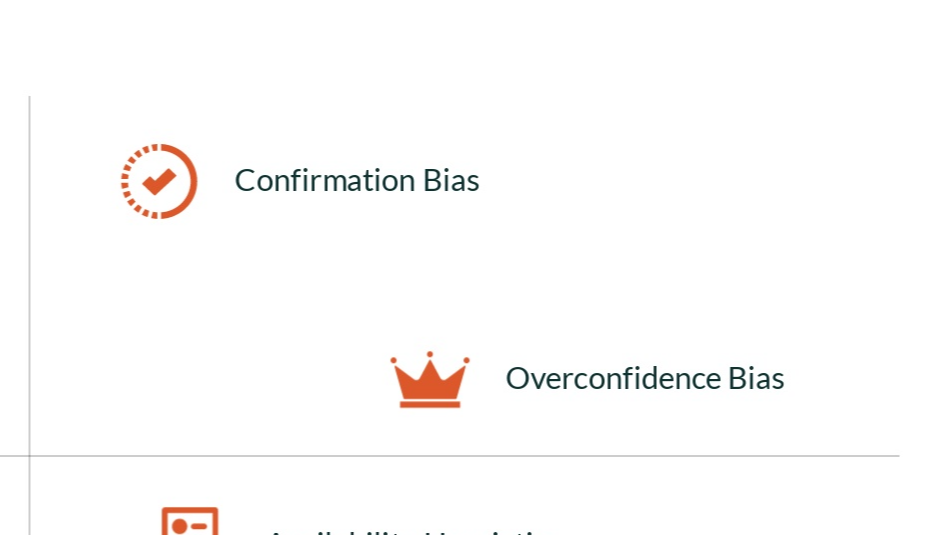
One significant bias in trading is the overconfidence bias, where traders believe they know more than they actually do or have better information than others. This can lead to taking excessive risks based on the belief that one's own analysis is superior, ignoring broader market indicators that might suggest otherwise. By recognizing this bias, traders can temper their confidence with a more critical assessment of their knowledge and the quality of their information, leading to more balanced decision-making.
Another critical bias is the confirmation bias, where traders might seek out information that confirms their pre-existing beliefs or predictions about market movements, while disregarding contradictory evidence. This can result in holding onto losing positions for too long, hoping the market will turn in their favor, rather than accepting small losses and preventing larger ones. Awareness of confirmation bias can encourage traders to seek diverse sources of information and multiple viewpoints, enabling a more comprehensive market analysis.