











Marketing Deck: Everything You Need to Know (+Examples)
Discover what is a marketing deck, what it includes, and learn how to create a marketing pitch deck with tips and templates from experts in the field.
Set as Preferred Source
Creating an effective branding and marketing strategy is only half the battle. The other half is presenting it as an opportunity your audience cannot afford to miss.
If you don’t create a marketing deck that demostrates value, your competitors will, and you’ll find yourself again and again as the option not taken.
Let’s help you avoid this scenario. I’ll show you some high-performing marketing deck examples and explain why they work.
You just steal their practices, create your own effective marketing deck, show higher value, and finish first.
What does a marketing deck include?
Marketing pitch deck structure
- Title slide
- Vision
- Services
- Strategy
- Proof of capabilities (testimonials, success stories, metrics)
- Pricing plan
- Team
- Why us
- Call-to-action
For more actionable advice see our guide on how to create a highly-effective marketing deck.
Marketing proposal deck structure
- Title slide
- UVP
- About us
- Performance overview
- Project Overview
- Problem
- Solution
- Project details
- Project Timeline
- Social proof
- Pricing
- Terms & conditions
- Next steps
For more actionable advice see our guide on how to write and design a marketing proposal.
- Marketing agency pitch deck: An initial pitch deck used by agencies that offers their unique value proposition as a solution to your prospect’s acute problem (sometimes synonymous with “marketing proposal”)
- Marketing proposal: Used to give a detailed sales proposal of your service or product to prospects (can be solicited or unsolicited). Sometimes used as the first stage in sales prospecting and sometimes used as the final document for signing an agreement.
- Marketing campaign pitch deck: Outlines the creative concept, messaging, tactics, and timeline for a specific marketing campaign, along with expected outcomes and KPIs.
- Marketing strategy pitch deck: Gives a breakdown of your marketing strategy, reasoning, and short and long-term goals for internal or external stakeholders.
- Marketing plan pitch deck: Pitches your marketing plan, including KPIs, target market, marketing channels, project milestones, budget, and ROI.
- Product marketing deck: Highlights the features, benefits, and unique selling proposition of a specific product within a product presentation, along with customer personas, competitive landscape, and pricing strategy.
Prospecting: A marketing pitch deck demonstrates and communicates the value of a marketing service or product to potential clients, to drive sales calls and ultimately sales.
Reporting: A marketing report deck informs stakeholders on the state of their marketing efforts such as campaign performance, events or outcomes, favorable or unfavorable.
Planning: a marketing plan deck lays out future plans and projects to potential clients, internal decision-makers, investors, or partners to get their consent, backing, and budget.
- Demonstrates value: A marketing deck distills your company’s most important information into a concise, visually appealing format and allows you to show the product in action with video and compelling images.
- Builds credibility and trust: Incorporating elements like a mission statement, UVP, testimonials, case studies, quotes, interactive demos, and about us and team slides into your marketing deck demonstrates that you have put thought and effort into it and by extension – your business.
- Drives business results: A marketing deck helps you generate leads, close sales, and secure funding and partnerships. It can be used across different channels and touchpoints, from email and social media to in-person meetings and presentations.
Marketing deck examples that drive results
All of the marketing deck examples below have been created in line with best practices and optimized to grab attention and communicate value.
These examples are templated based on what we’ve seen at Storydoc repeatedly work for our clients and based on our analysis of over 1.3 million deck engagement sessions.
All samples on this list are customizable, interactive, and tested for all common devices and screen sizes.
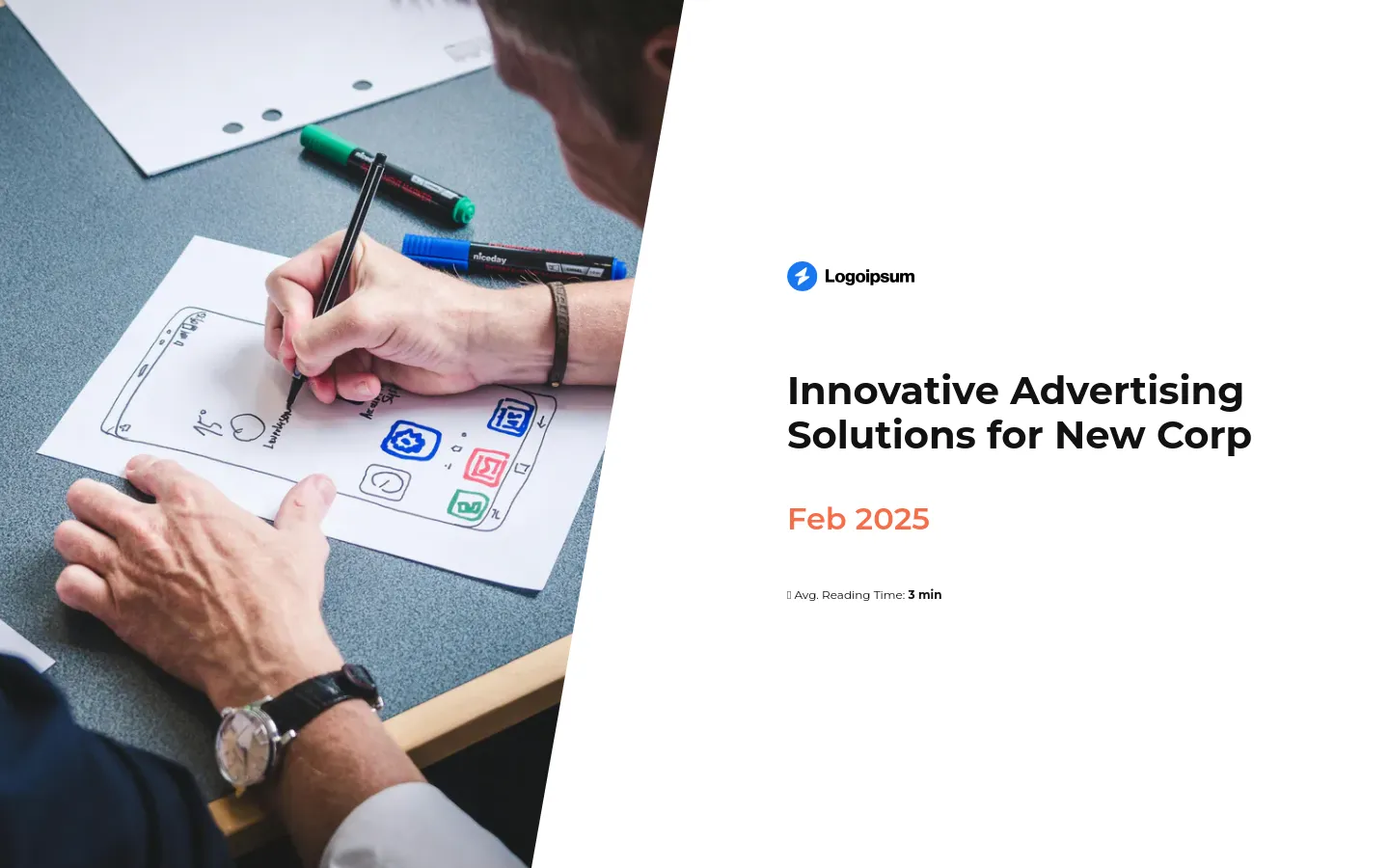
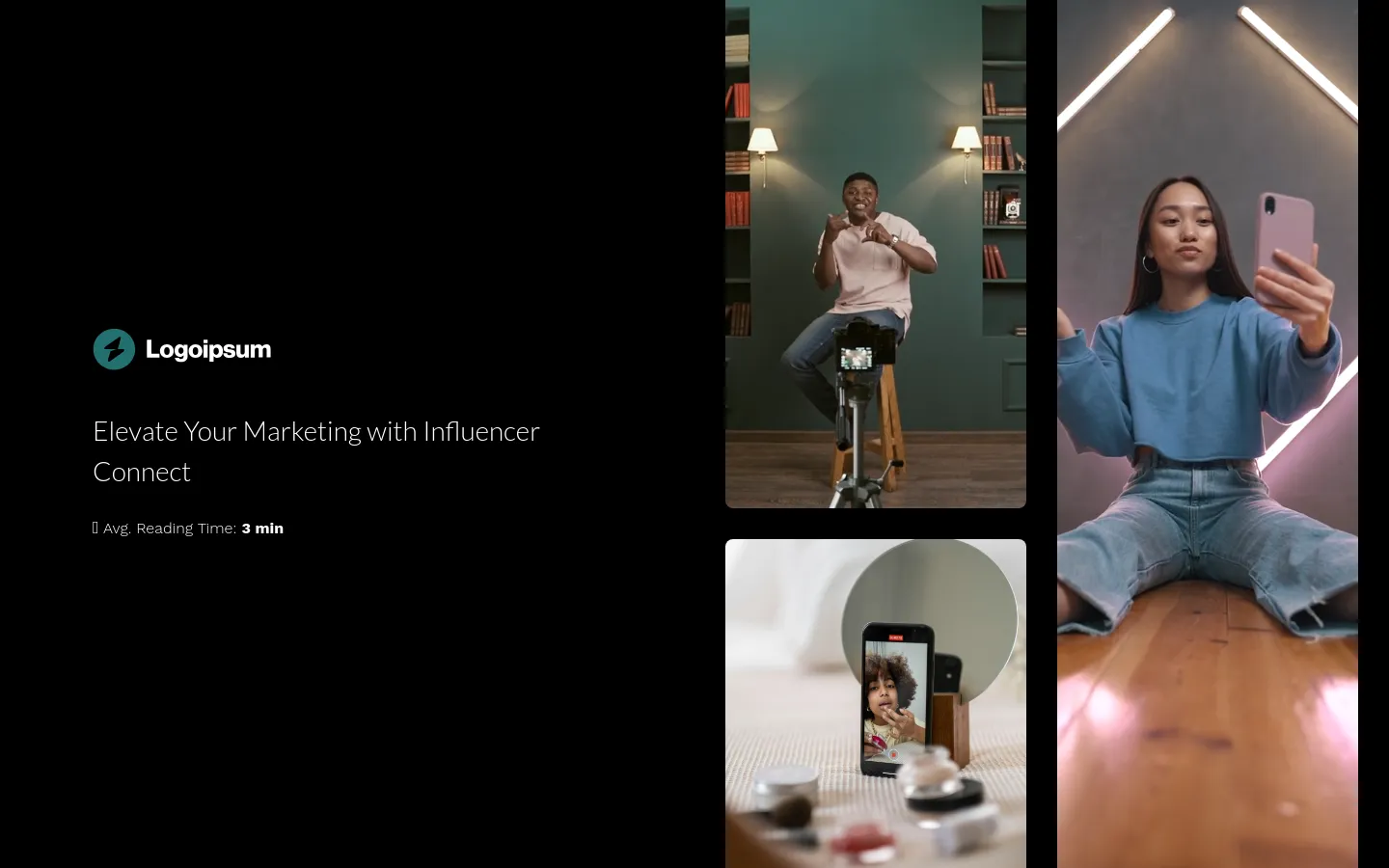
Marketing agency pitch deck
I like this creative agency pitch deck because of its minimalism. Everything it has to say it says with the least amount of words possible.
Knowing marketing prospects, they don’t have time or patience for a long pitch. And this example respects that.
One thing to look out for is that the deck starts with a broad overview of the vision and strategy, this is meant to help distinguish you from your lower-quality competitors.
But to make this approach effective you have to tailor what you say to your audience so that it resonates.
Your vision should be the right vision for them, and your strategy should be the right strategy for them. Don’t fall back on generic messaging. You know better than that.

Scroll to preview
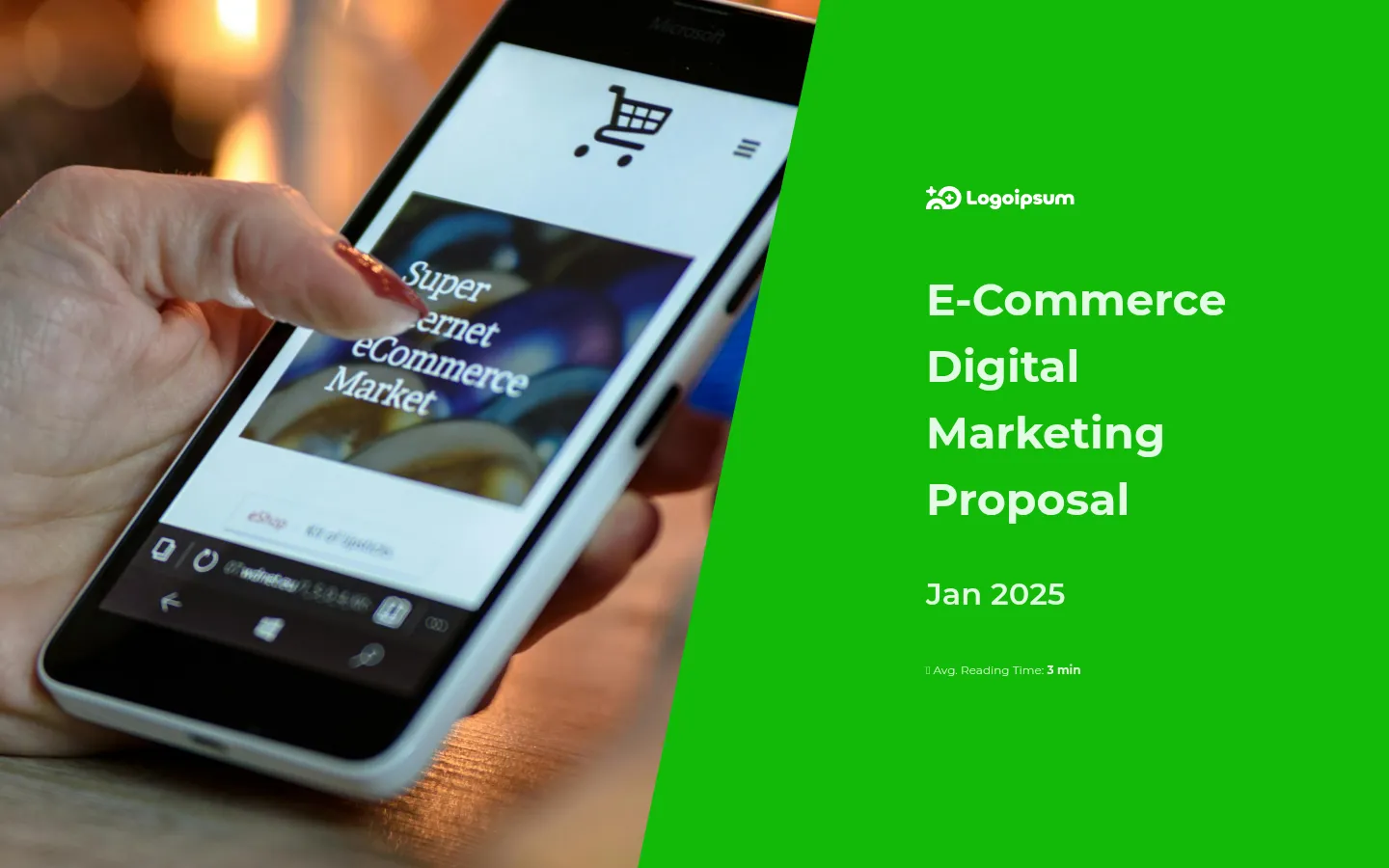
Marketing one-pager
This marketing one-pager is my favorite marketing deck on this list. It’s even shorter than the previous example but this does not make it any less effective.
It uses the well-known Problem-Solution framework to drive sales calls. If this deck is tailored to your ICP or persona it will touch on their pain point immediately and position your service or product as the bridge to a better future.
This deck also has an ace up its sleeve – it lets prospects book a meeting directly from the deck. Forget about a dead-end ‘thank you’ slide.

Scroll to preview
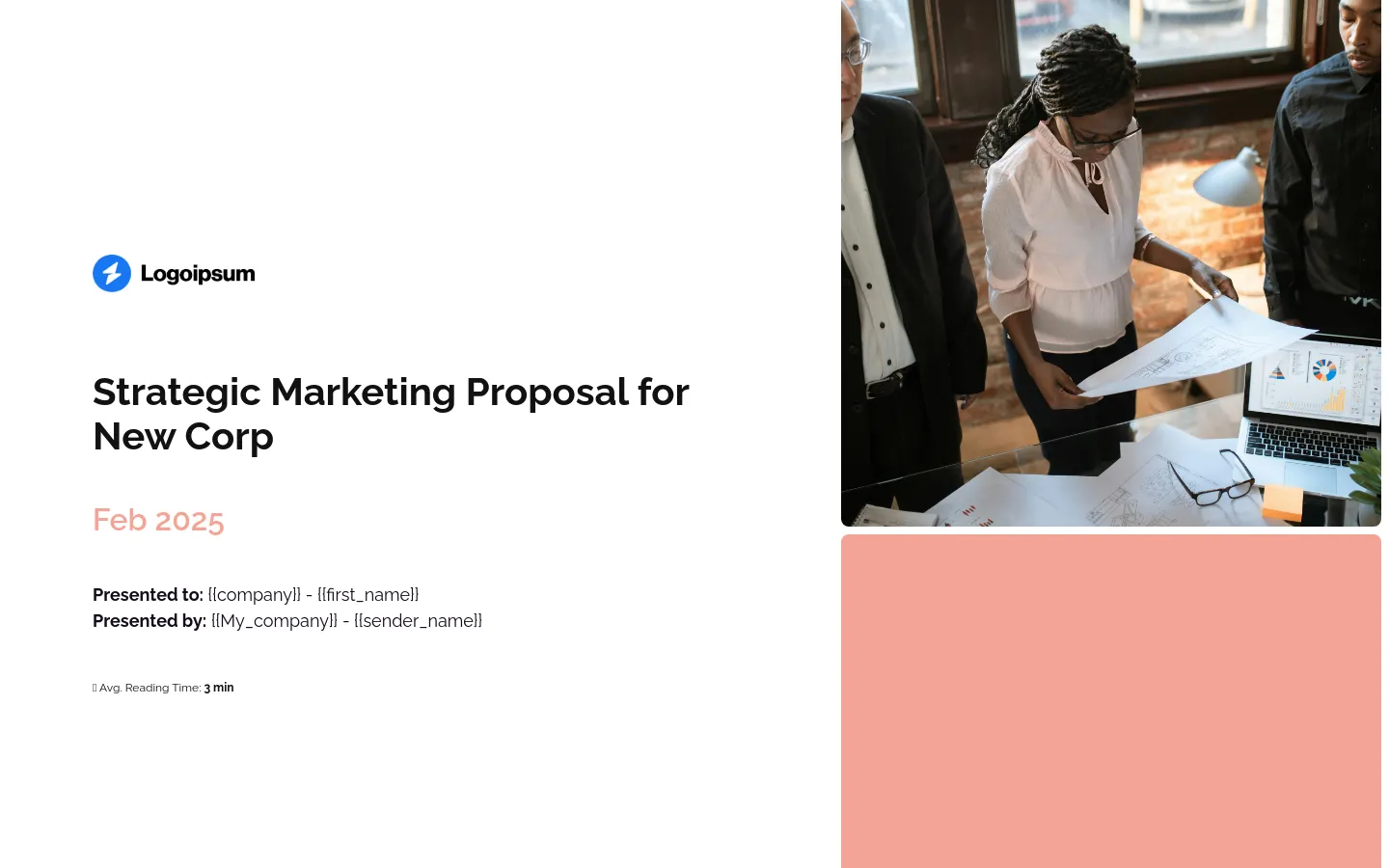
Marketing proposal deck
This marketing proposal is your real game-changer. We’ve seen this format work amazingly well for our clients (and we use it ourselves for our sales proposals).
This marketing deck should be used when your lead has been sales-qualified and is ready to make their buying decision.
It readdresses the main points covered in your marketing pitch deck and in your subsequent sales calls.
It covers the problem and your solution but adds all the relevant details that enable the buyer to buy. The strategy, schedule, timeline, and budget.

Scroll to preview
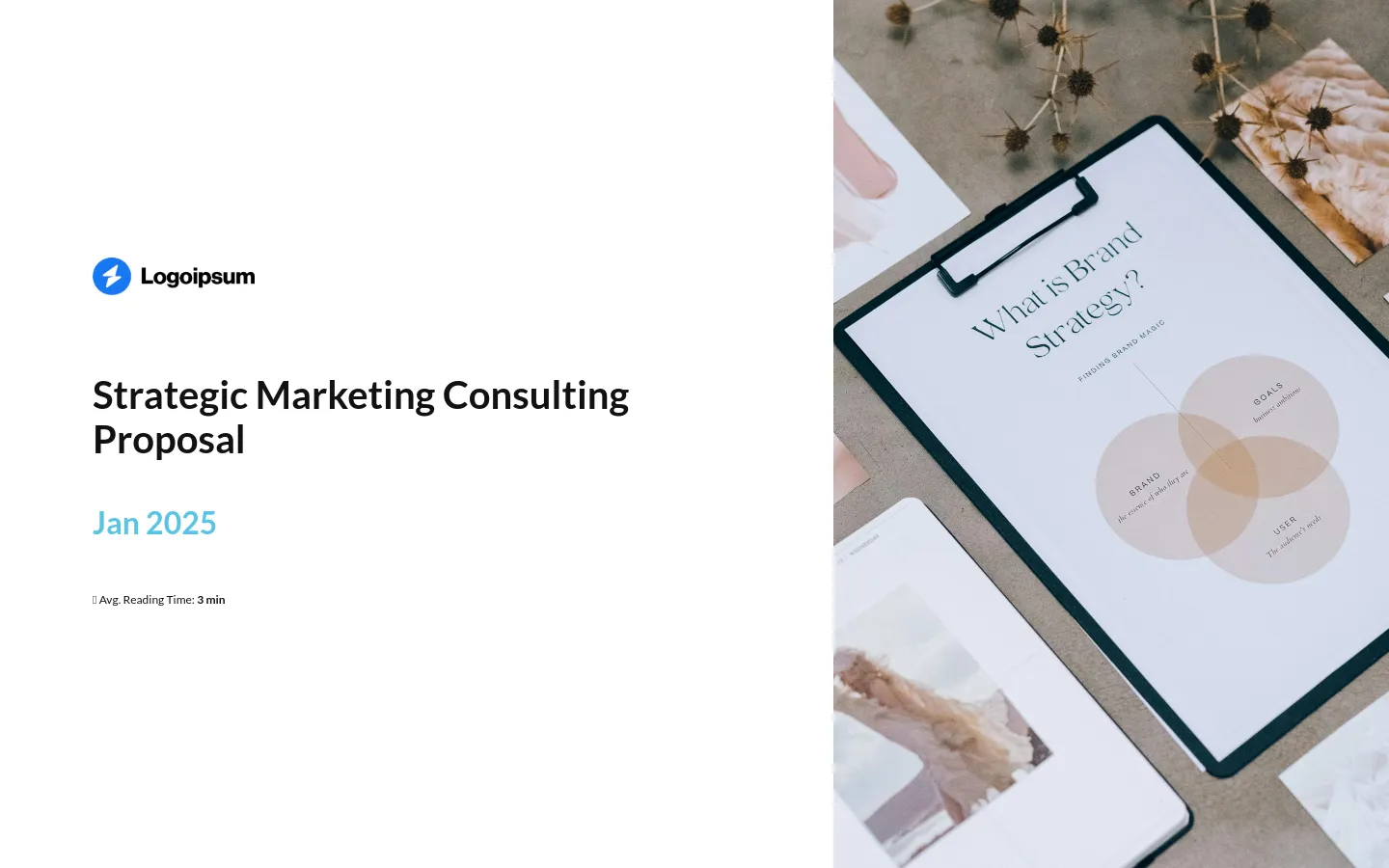
Marketing consulting proposal
This marketing deck example was made for pitching consulting services which are limited in time and scope.
What I like about this deck is how it provides a consulting project summary. It focuses on the problem, solution, timetable, and costs associated with the project.
The content is sufficient to make a compelling value offer and leaves out any irrelevant info not necessary for deciding to book a call.
I really like how this deck backs up its capabilities with solid proof. You’ve got success metrics showing real results delivered to clients, case studies that add credibility, and a client logo strip that instantly builds trust.
It’s the kind of stuff that makes a pitch feel way more convincing.

Scroll to preview
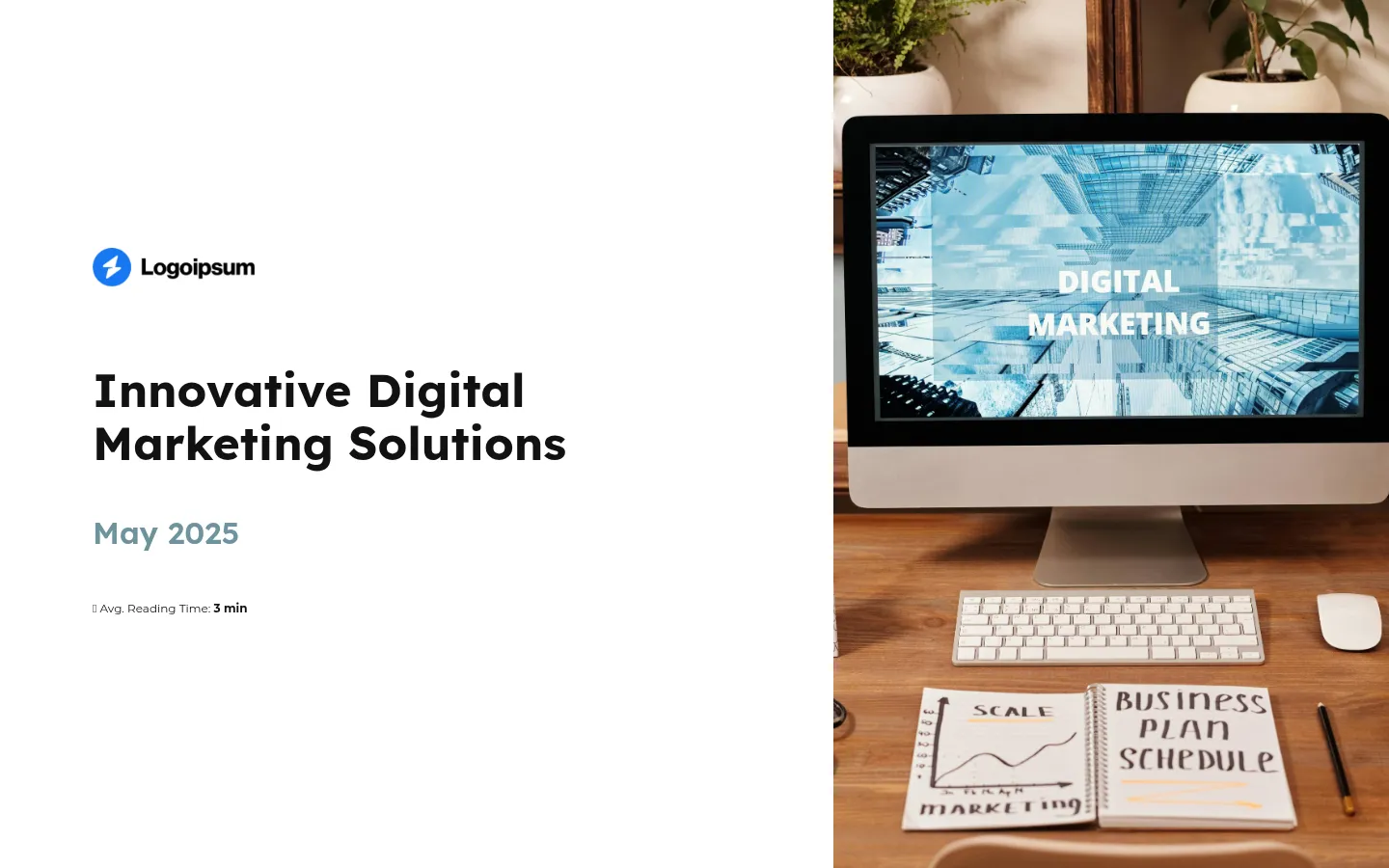
Marketing project pitch deck
This is a highly-developed marketing deck for proposing a project.
It starts off with an about us slide that provides initial context that helps prospects to get their bearings (our data shows that this slide is crucial for getting initial engagement) and then jumps straight into what this project aims to achieve.
It only then proceeds to cover essential information like strategy, timeline, and costs.
I like how this example supports the pricing offer with social proof that takes some of the sting out before inviting the prospect to book the next meeting.

Scroll to preview
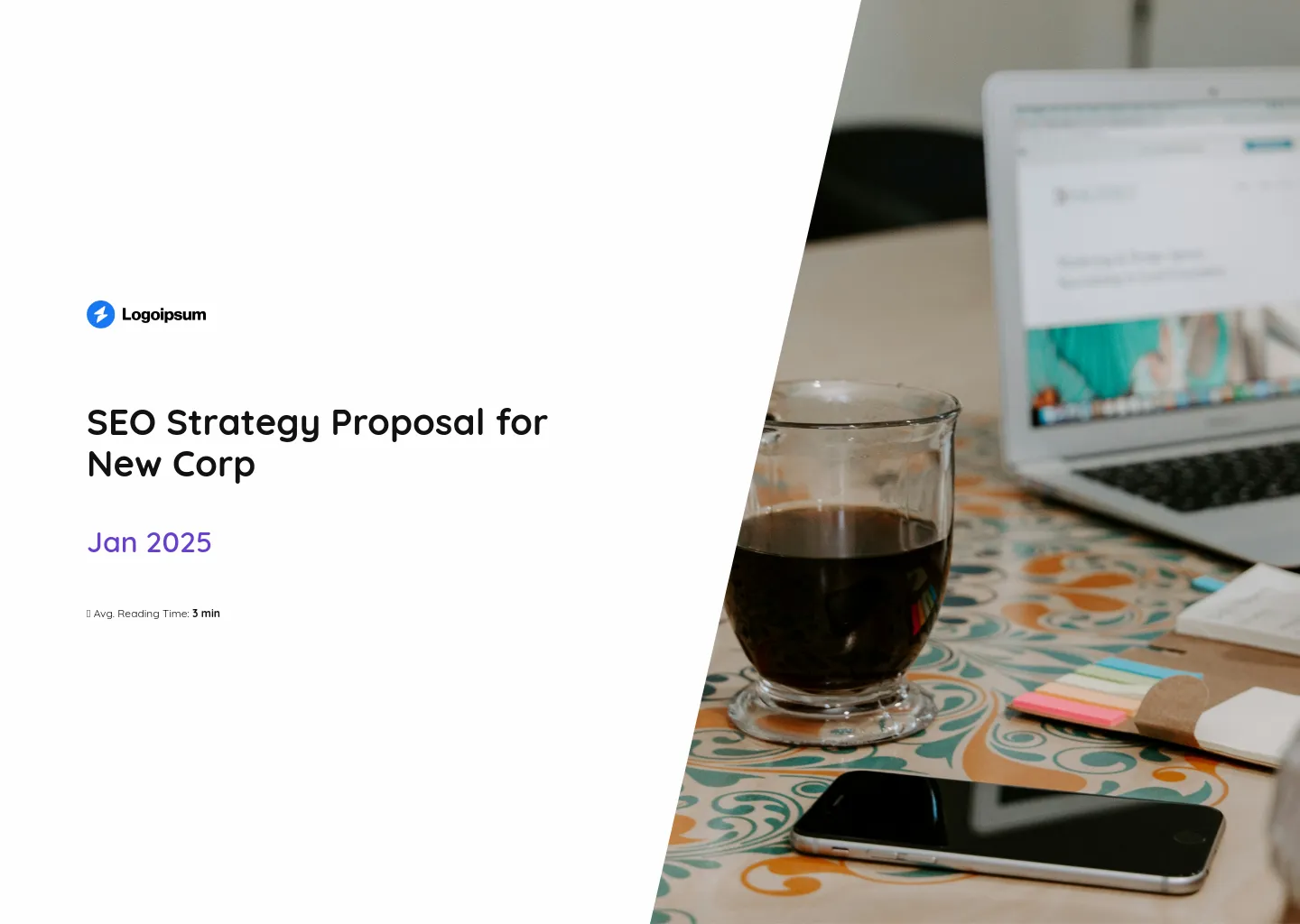
SEO campaign marketing deck
This SEO proposal deck is meant to be used at the end of your sales process when the prospect is ready to commit to a contract.
If you want to take it to the next level, you can add personalization and tailored content for a specific prospect.
You can use dynamic variables that let you pull all the specific information for a specific deal from your CRM into your deck or from a simple form before sending.
Everything from the prospect name, brand colors, and SEO audit data, to pricing can be personalized dynamically at scale using Storydoc decks.
Scroll to preview
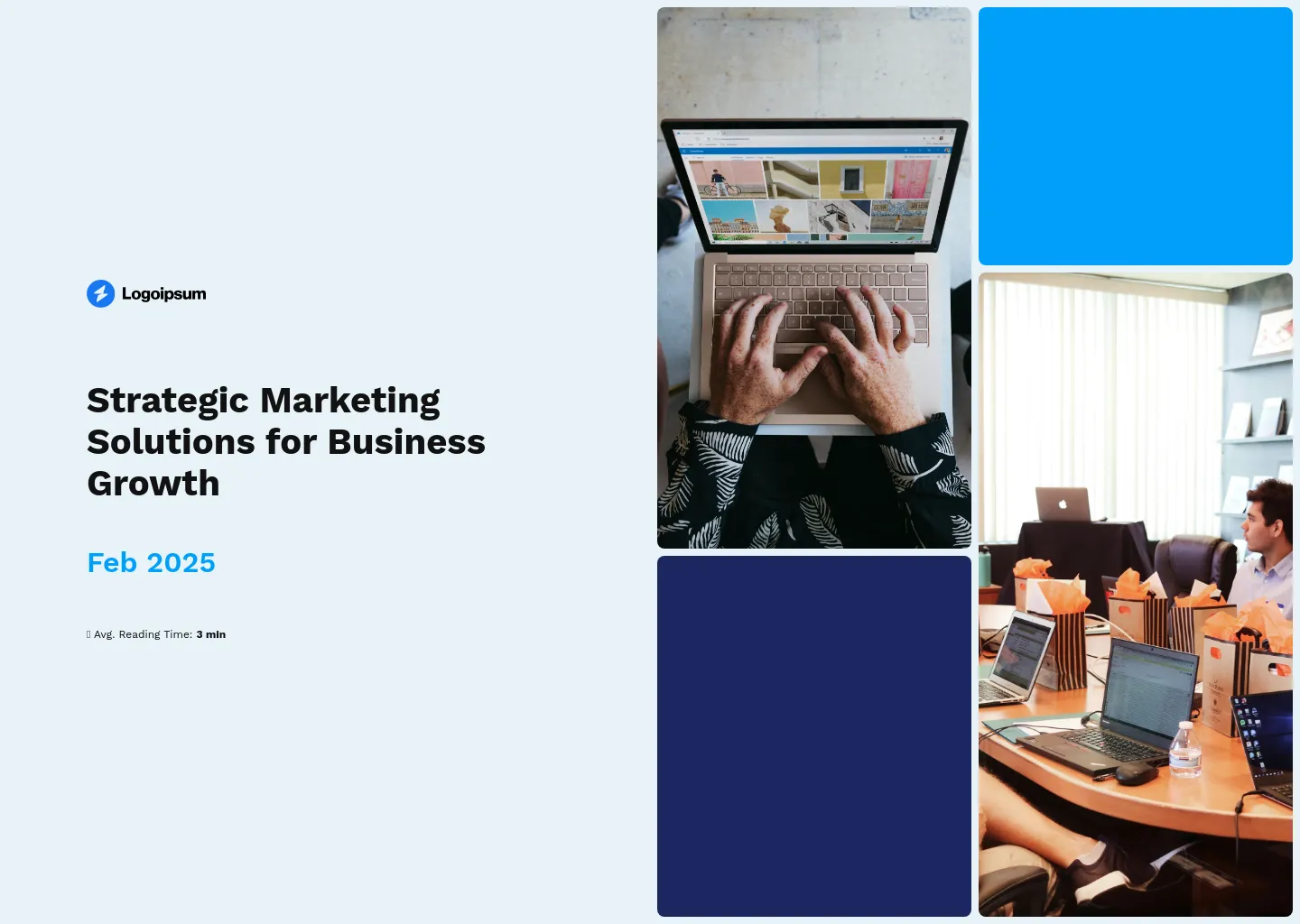
Marketing strategy deck
This strategy deck is not a deck you should use for your cold pitch since it has way too much in-depth information.
This example deck should be used at the later stage of communication with prospective clients that already shown interest in getting your services.
The point of this deck is to communicate the specifics of the client’s struggles, their market position, and your game plan for solving their issues and getting them on top.
To make strategy-heavy slides easier to follow, it can help to look at how other organizations simplify their messaging. Creative teams analyses often highlight techniques like progressive disclosure, short narrative blocks, and slide grouping, which make detailed decks feel more digestible.
Scroll to preview
Marketing deck templates that move the needle
The stakes are high for your marketing deck, it’s important to get it right. But if you can’t find the time and clarity of mind to take in all the information in this guide I don’t blame you.
Running an agency or a marketing operation is busy work. That’s why I have some marketing deck templates for you.
All these templates apply the best practices, tactics, and insights covered in this post.