



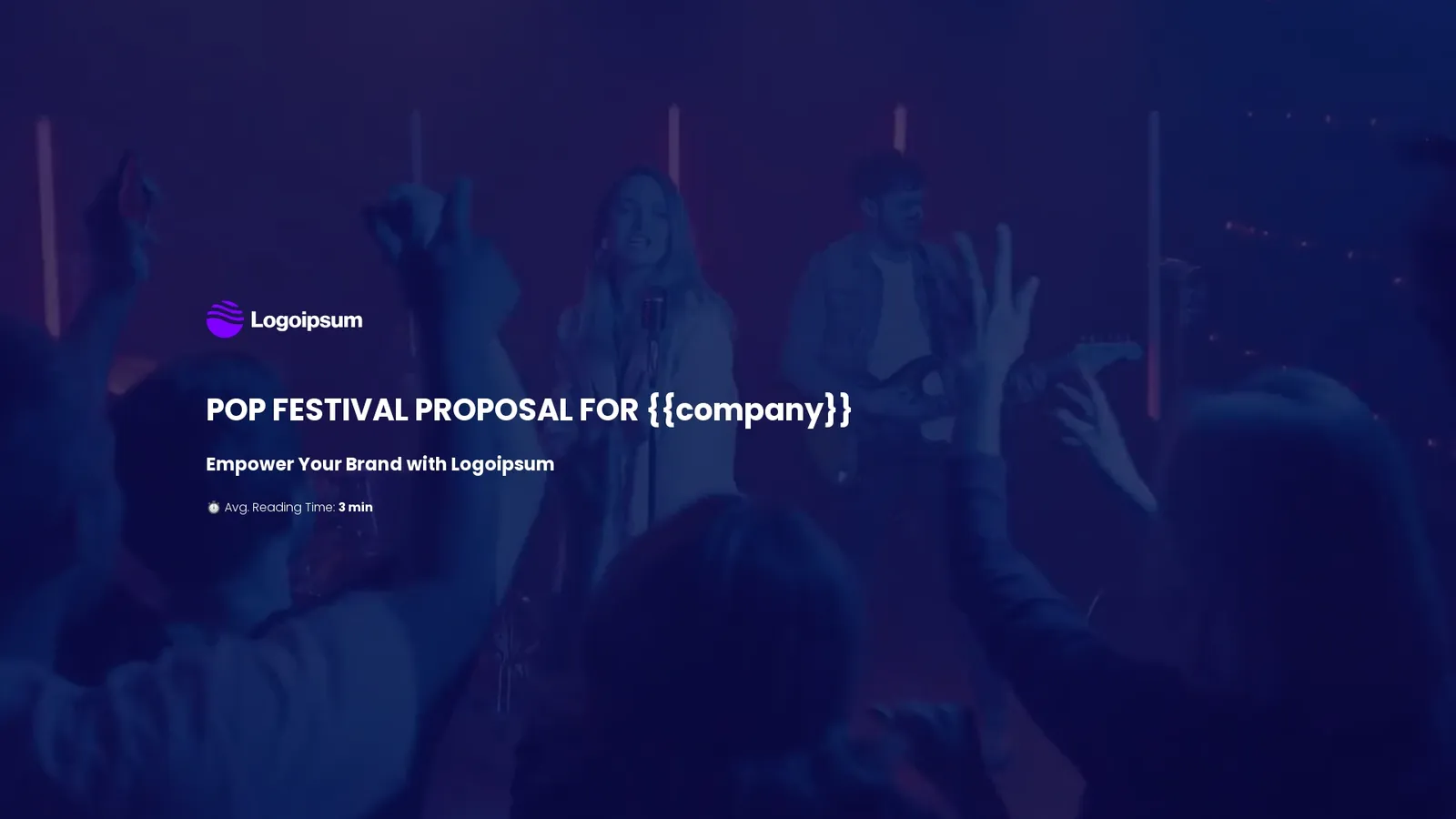

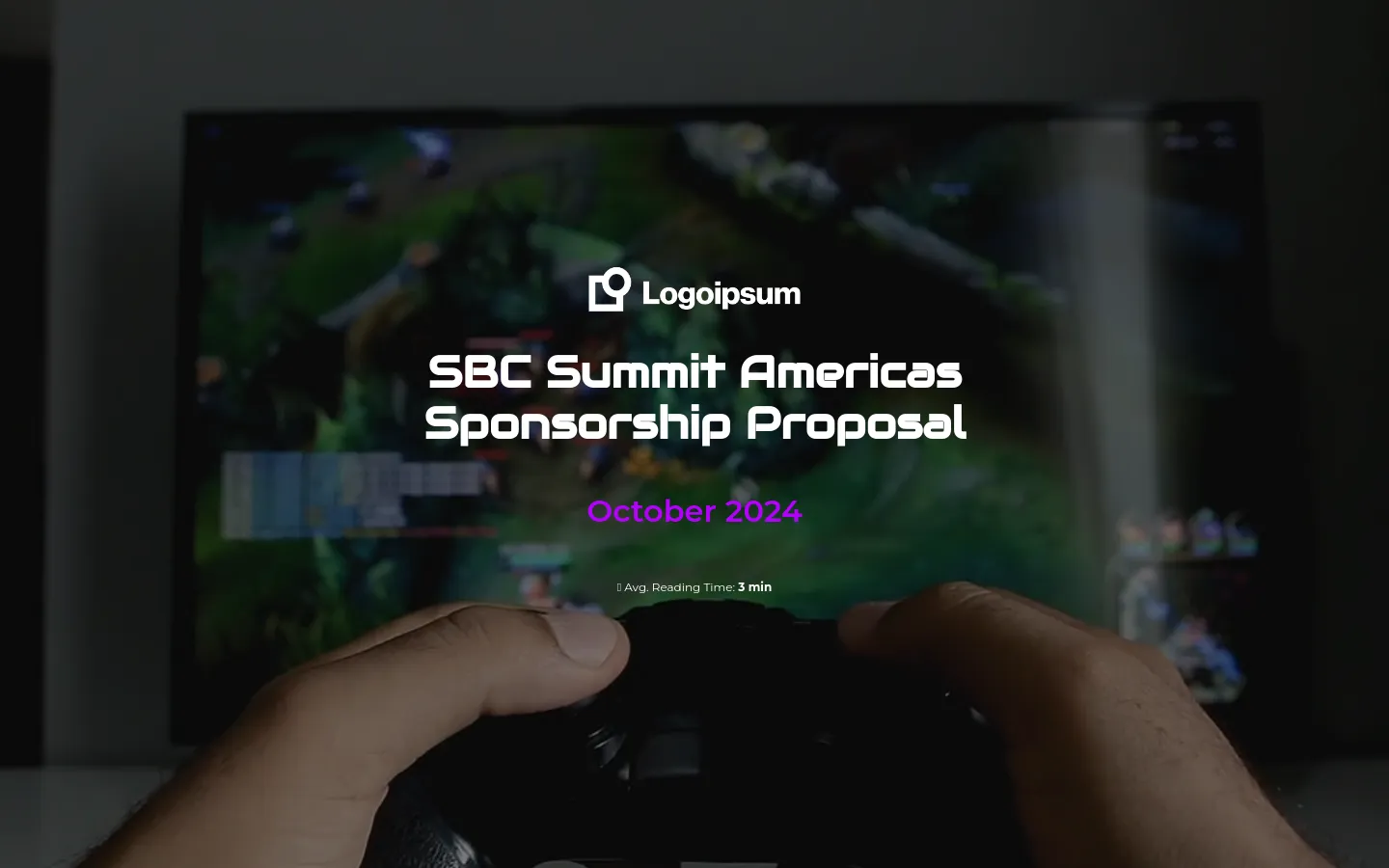

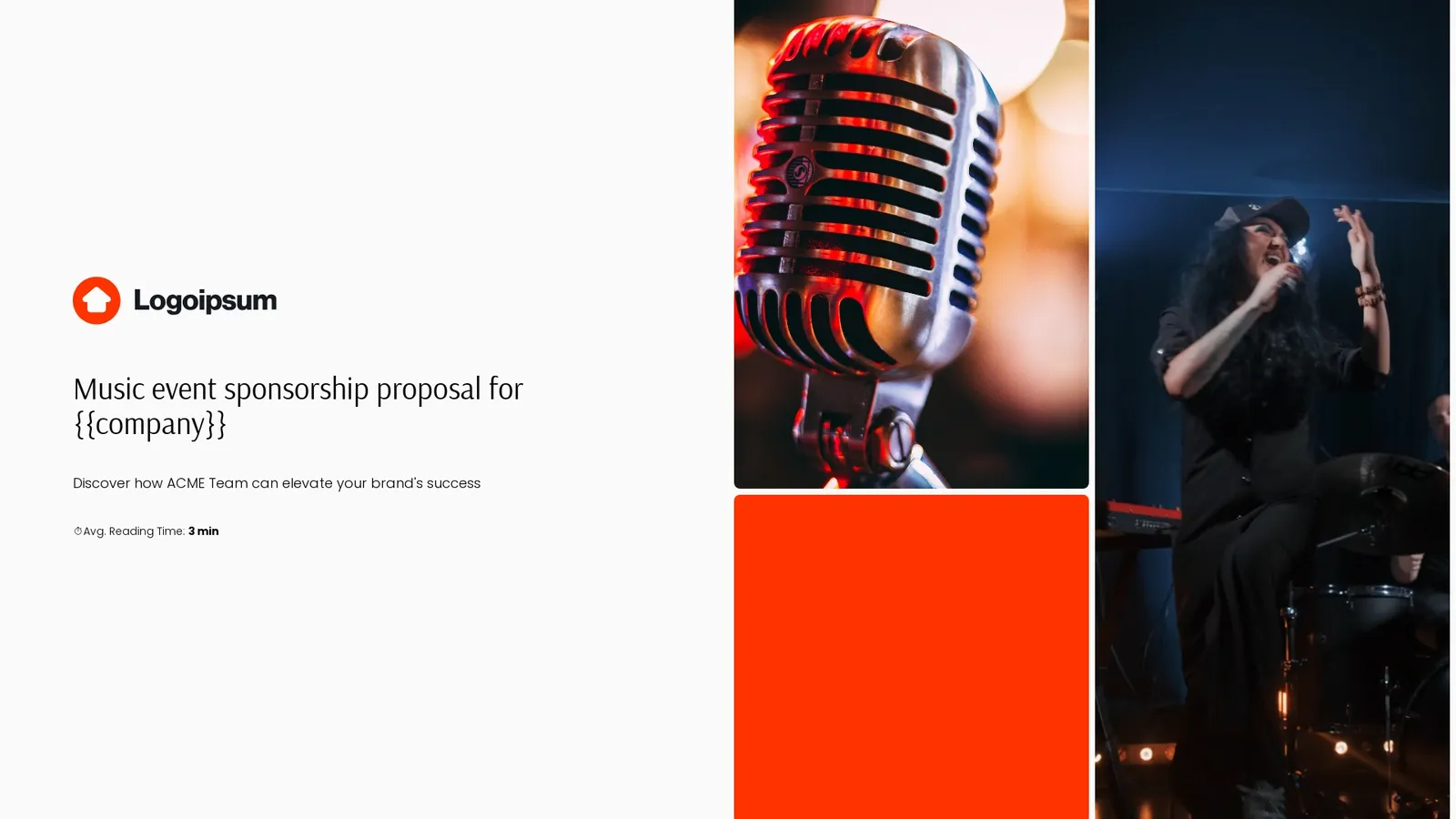

Writing Sponsorship Proposals That Get Funded (+Templates)
Learn how to write a sponsorship proposal that wins over potential sponsors. Make your sponsorship proposal easily and quickly with interactive templates.
Set as Preferred Source
What does a sponsorship proposal look like?
Sponsorship proposals are typically static documents such as PDF or PowerPoint. But these formats often fail to engage and excite potential sponsors.
That’s why in recent years effective event organizers, project managers, and content creators have transitioned to interactive web-based sponsorship proposals.
These are much more effective than PDFs at engaging sponsors and closing deals.
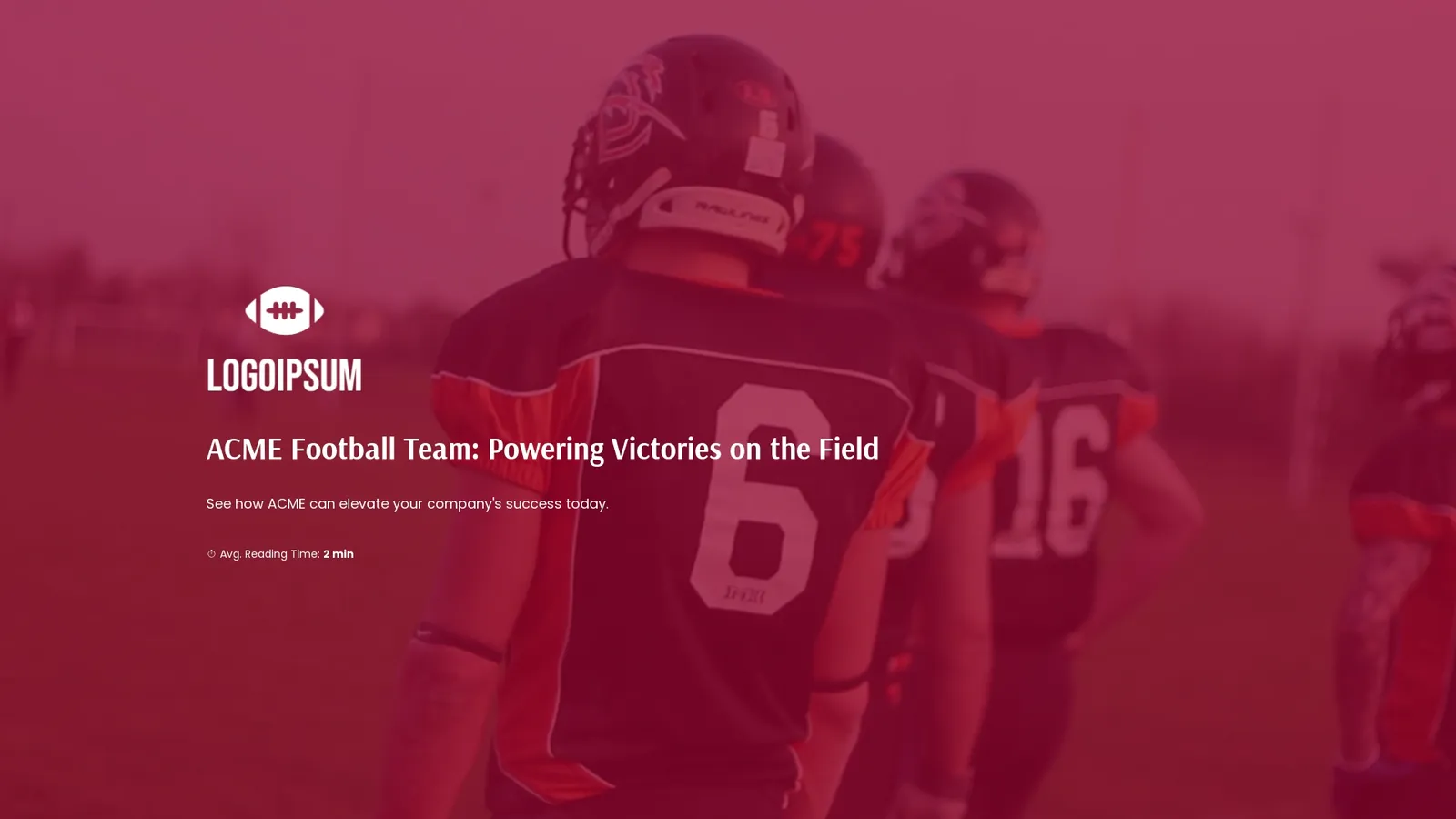
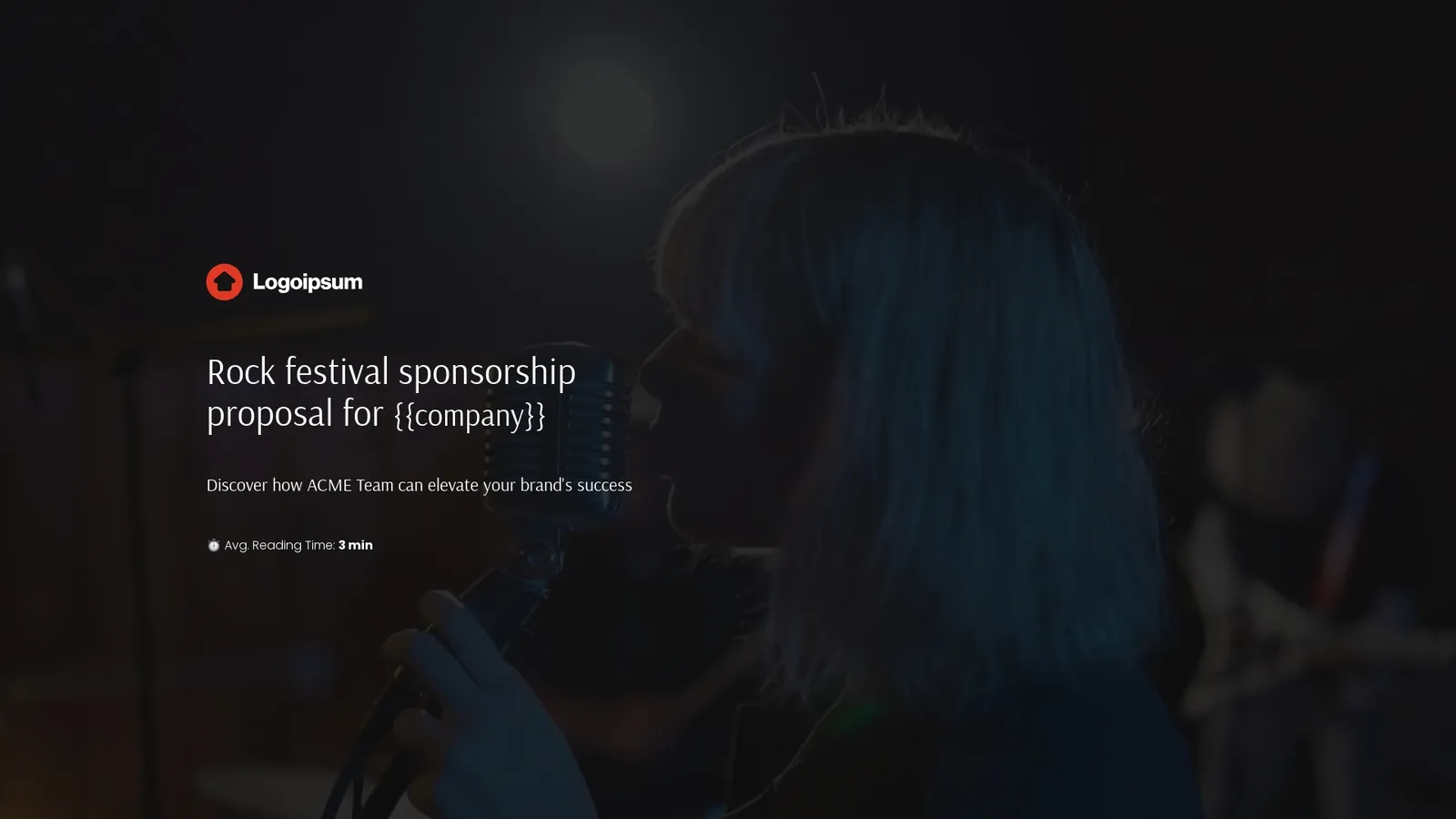
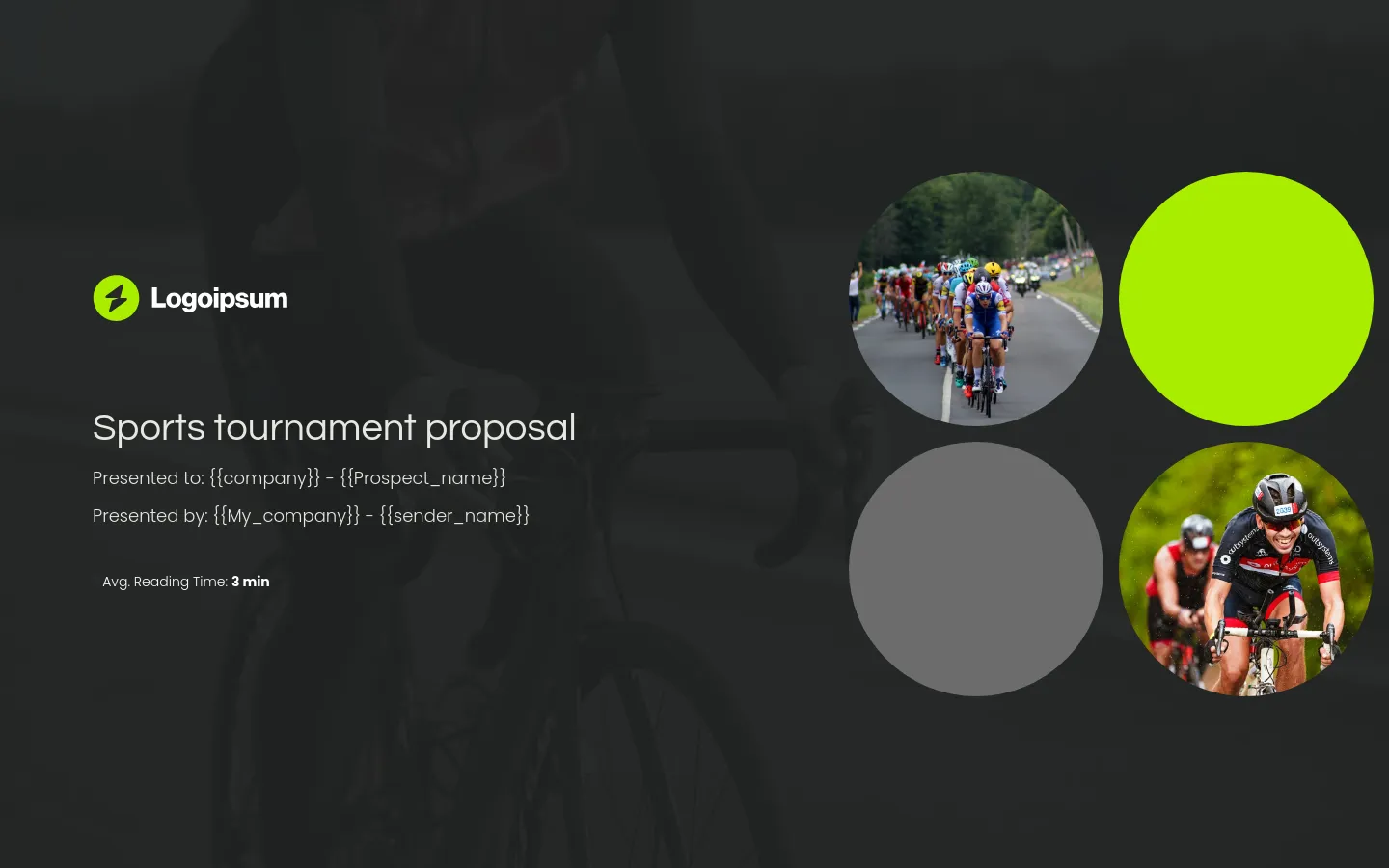
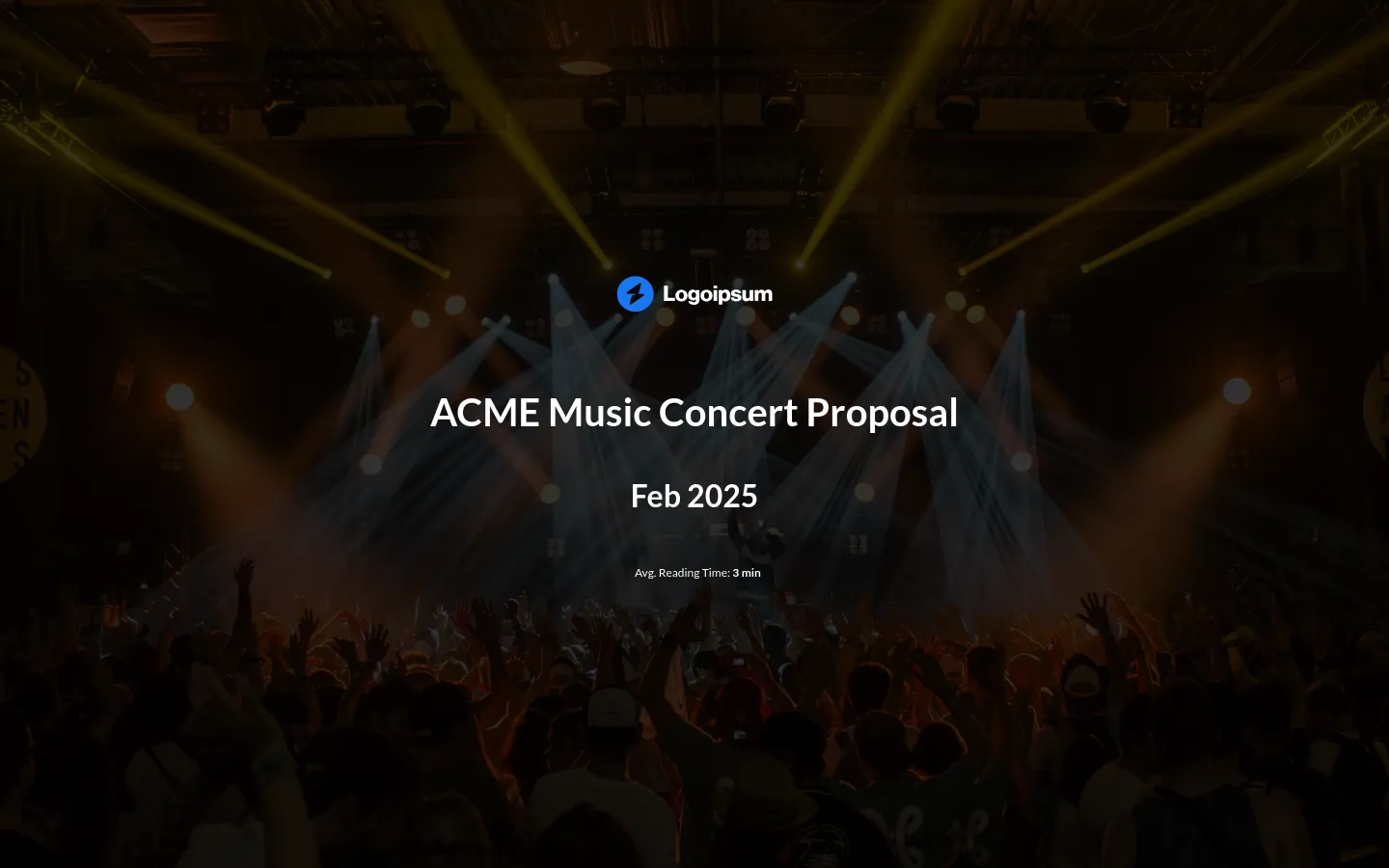
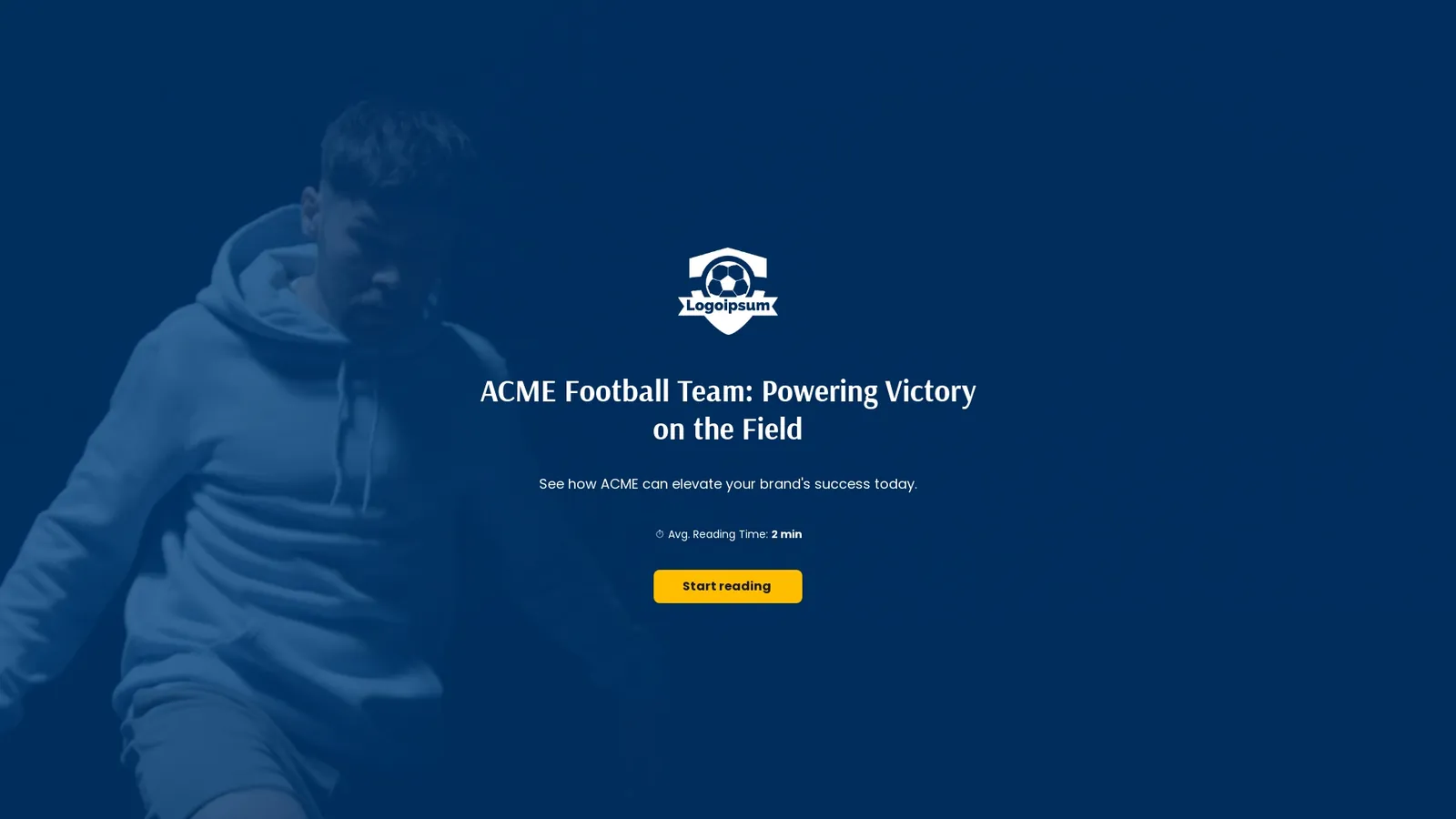
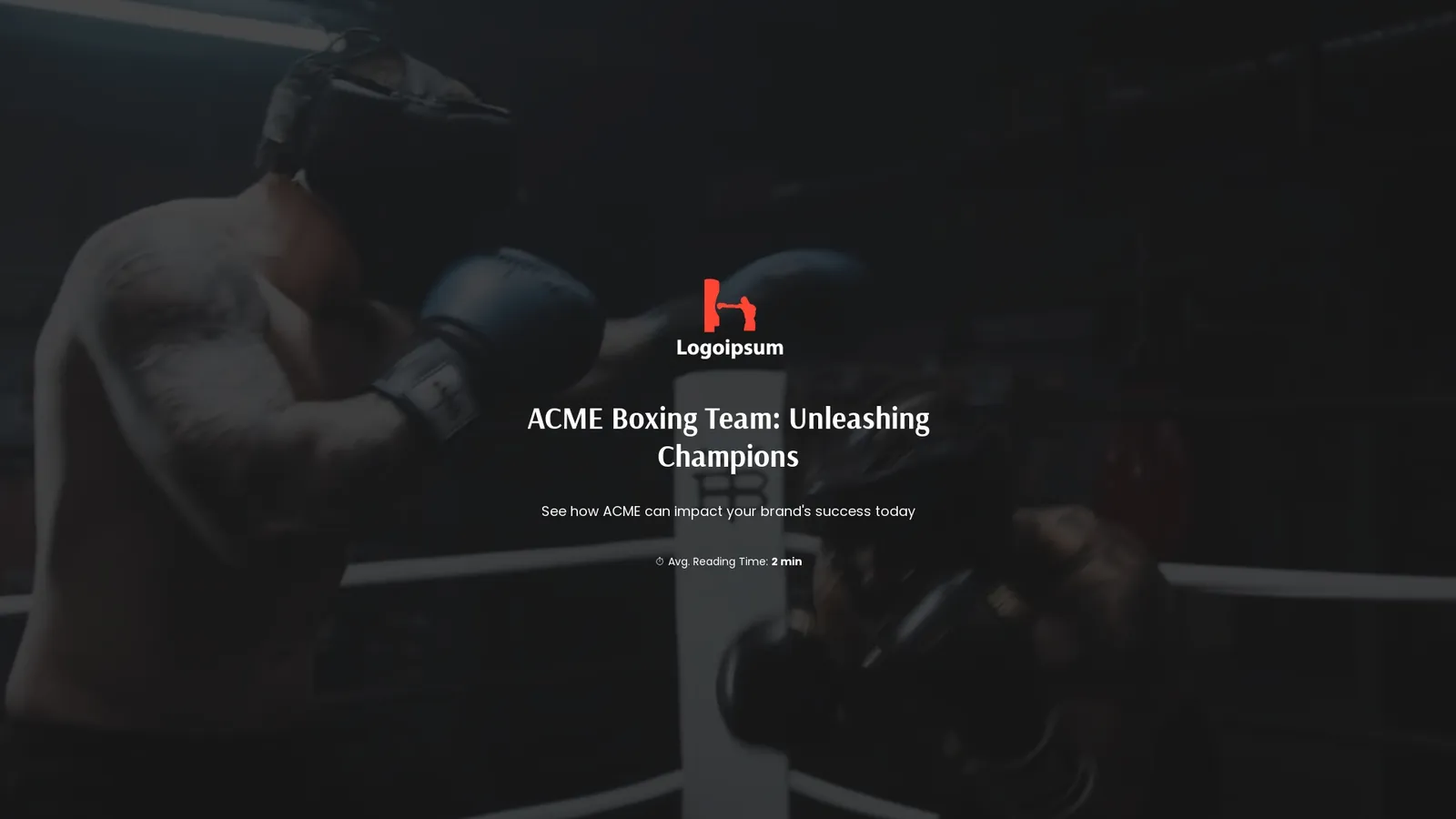
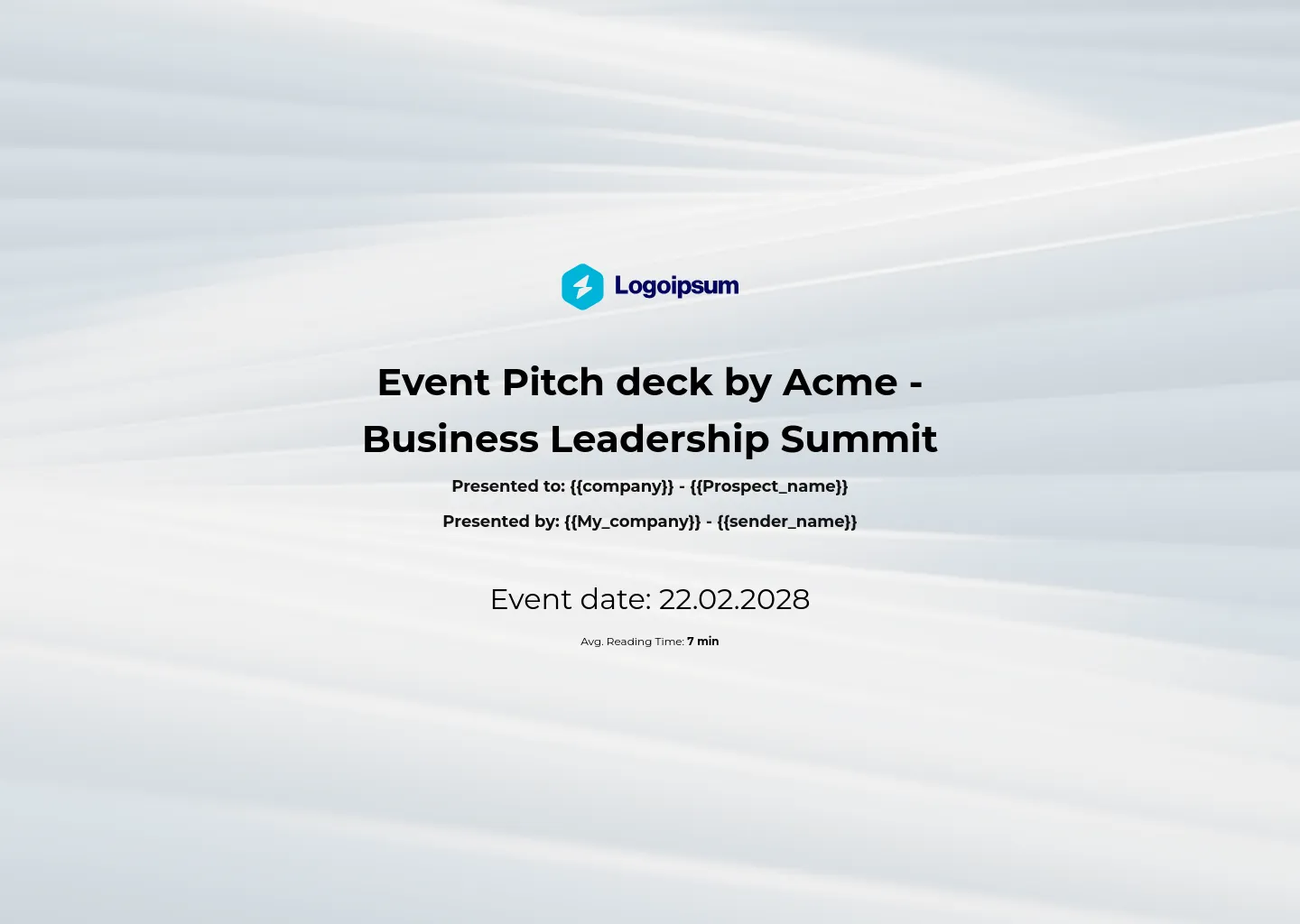
Here’s an example of what a modern sponsorship proposal looks like:
Scroll to preview
How to write a sponsorship proposal to win funding?
Planning an event is a huge task. You’ve got to find the perfect venue, book speakers, and generate enough buzz to fill the place. The list of tasks can feel endless.
But even with all those elements in place, there’s one critical factor that can make or break your event: funding.
If you want your event to succeed rather than become a financial drain, you’ll need sponsors. And let’s be honest, the competition for sponsorship dollars is fiercer than ever.
In this section, we’ll go over how to craft a sponsorship proposal that catches the eye of potential sponsors and wins their support.
What to include in a sponsorship proposal?
- Cover slide
- Introduction
- Event details and objectives
- Benefits
- Sponsorship packages
- Timeline
- Testimonials
- Terms and Conditions
- Approval and sign-off
- Contact slide
1) Cover slide
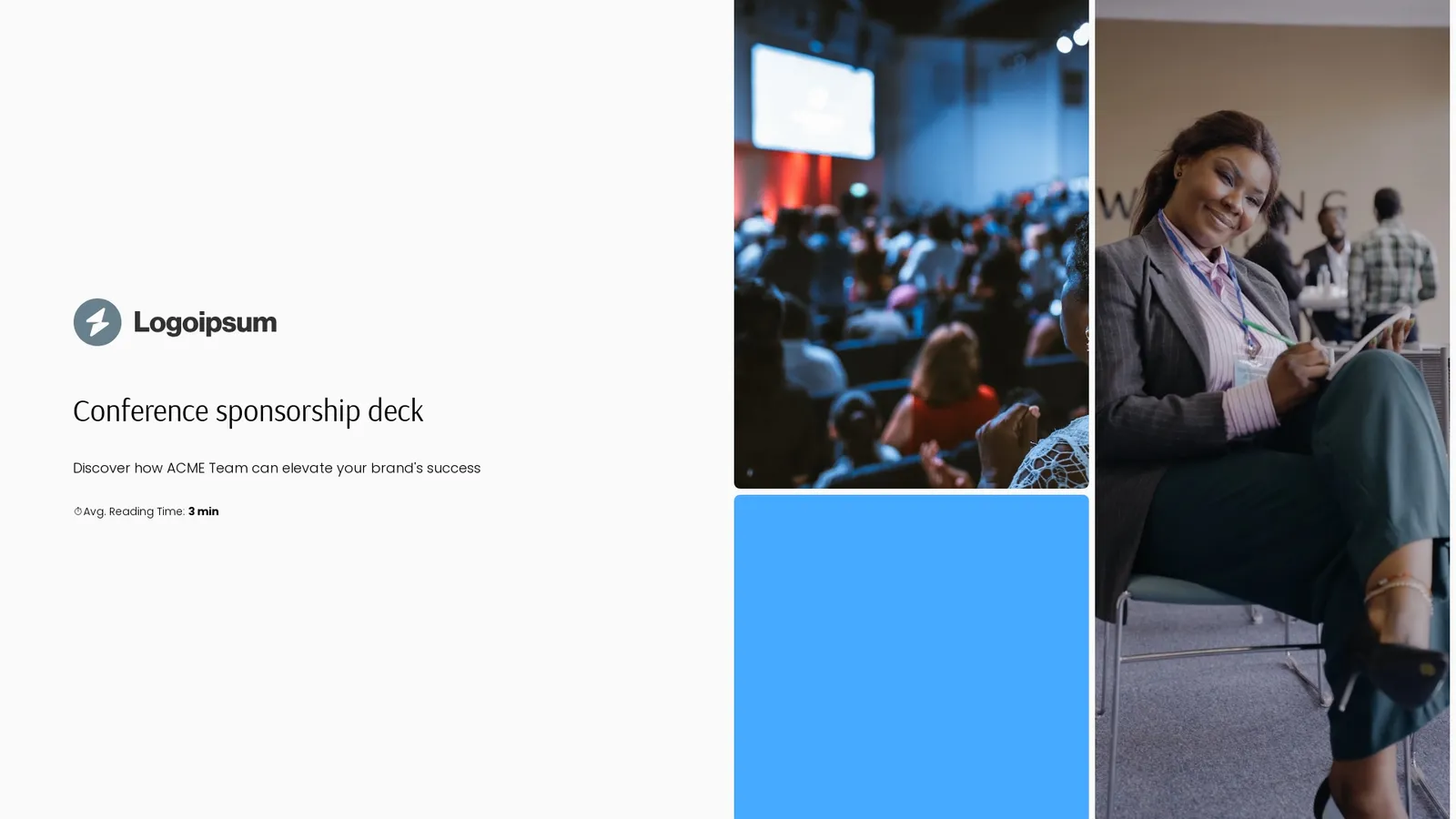
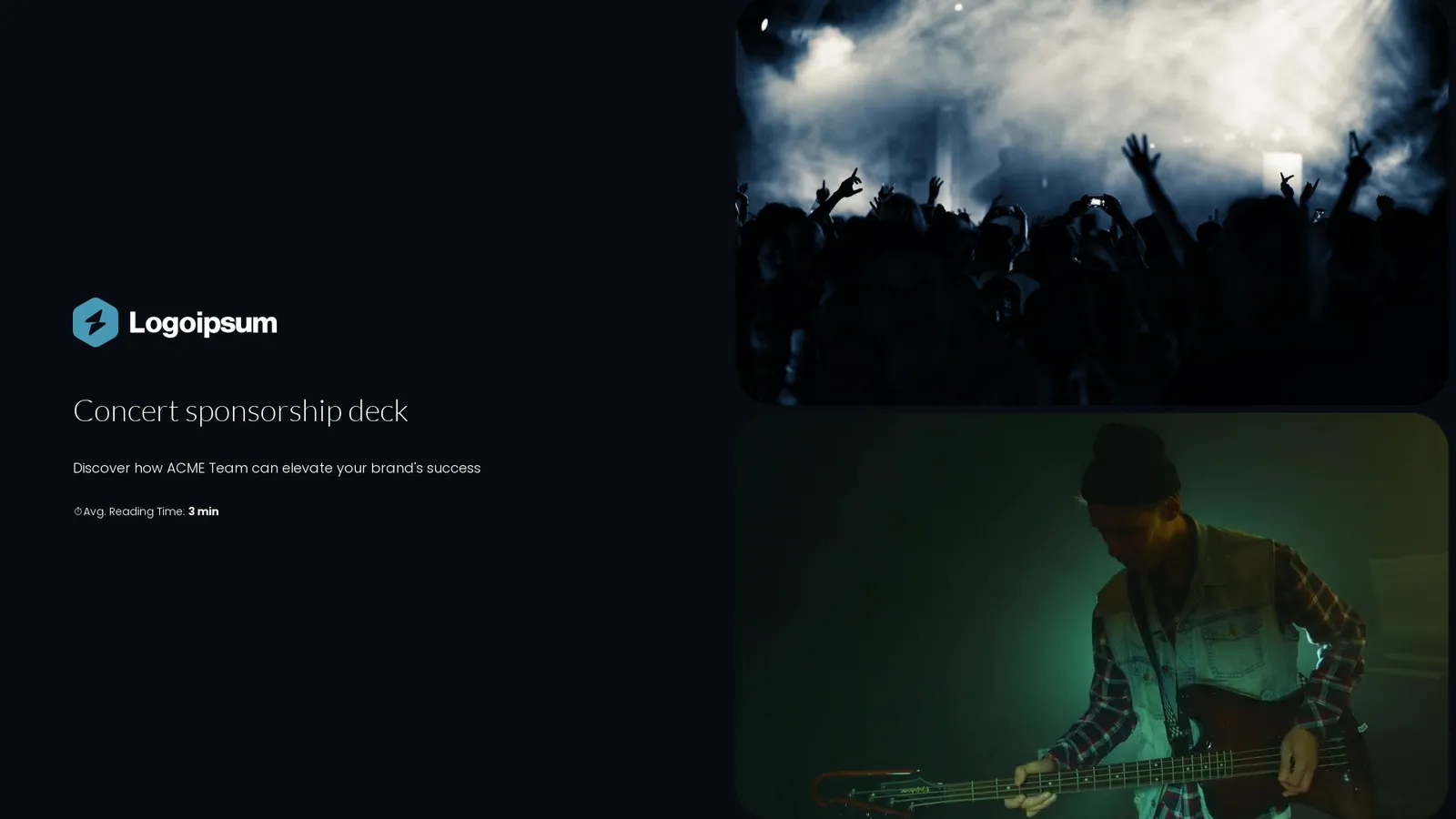
When creating the cover slide for your sponsorship proposal, make it clear and eye-catching.
Start with the essentials: include the names of the person and their company you’re addressing, as well as your own name and company details.
Make sure your logo is prominently displayed to emphasize your brand. Also, the title of your event should be clearly visible.
Most importantly, come up with a catchy title for your cover that clearly explains what you’re offering. This should catch the attention of potential sponsors and encourage them to read more.
2) Introduction
Start your sponsorship proposal on a personal note by directly addressing the recipient, making it feel like a casual chat.
Jump into the details of your event, mentioning its name, when it’s happening, and key attractions like a notable speaker.
Highlight what makes your event a must-attend, especially how it resonates with the sponsor’s business.
If you want, you can also use it as an opportunity to introduce your team with short bios and photos to add a personal touch, showing the faces behind the effort.
This approach makes your proposal engaging and builds a foundation for a strong partnership.
3) Event details
After painting a vivid picture of your event that hopefully sparks some real interest, it’s time to dive into the specifics. Your potential sponsors need to understand every detail about what you’re planning and how it’s all going to unfold.
- Attendance figures: Give them an idea of how many people you expect to draw.
- Attendee profile and demographics: Describe who will be attending to help sponsors see the match with their target audience.
- Event details and logistics: Break down the main components of your event and how everything will run on the day.
- Registration and marketing: Explain how tickets will be sold or registrations handled, and how you’ll promote the event to ensure a great turnout.
- Expected results: Share what you aim to achieve through this event.
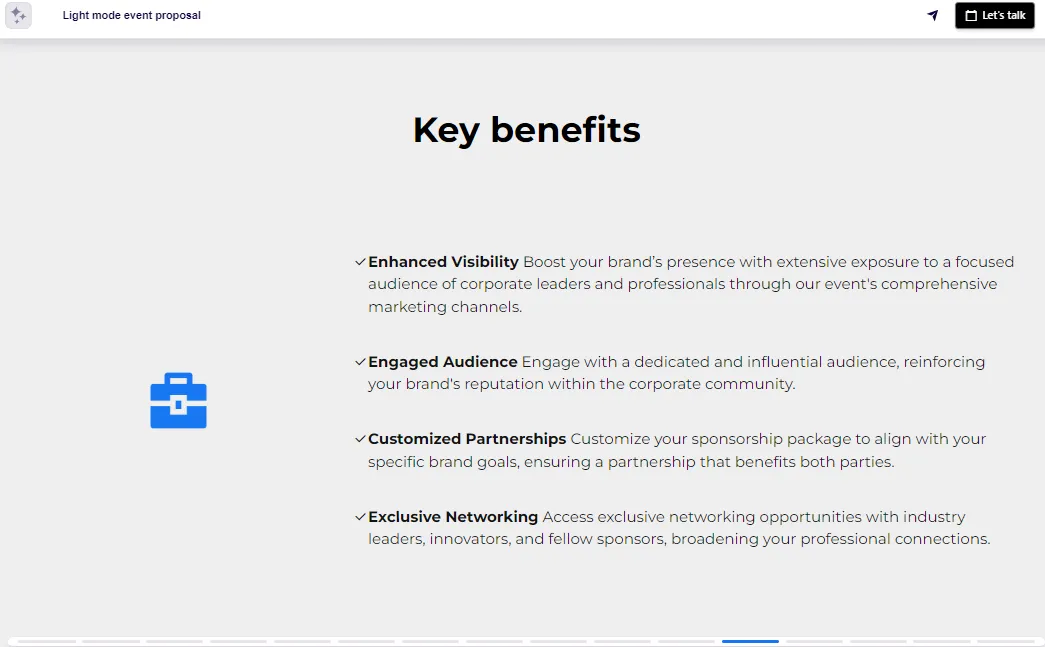
4) Benefits
Sponsors often contribute out of goodwill, but they don’t just give their money away without reason. Typically, they’re looking to gain something in return too.
So, when you sit down to tackle the benefits section of your sponsorship proposal, make sure to spell out what’s in it for the sponsor.
Link each benefit directly to the sponsor’s objectives, and back up your claims with clear examples and solid facts.
This part of your proposal should do more than just list benefits—it should clearly show how these benefits meet the sponsor’s needs and prove that you can deliver real value.
5) Sponsorship packages
In this part of your sponsorship proposal, you’ll outline the different sponsorship packages.
Usually, there are 3 levels of sponsorship. Each level offers more visibility and more chances to engage with the event in exchange for more financial support.
Remember, sponsorships aren’t just about money. Contributions like providing food and drinks, signage, entertainment, or photo booths are also really valuable.
You can mix these contributions into your main sponsorship packages to create a flexible support system that works well for everyone. Or, you can offer them as separate options, which lets sponsors with smaller budgets participate too.
6) Timeline
In your sponsorship proposal, it’s really important to have a timeline section. This gives potential sponsors a clear idea of what’s happening and when.
- Kickoff date: Start with when you’ll begin planning and promoting the event. This marks the start of all the activities.
- Sponsorship deadline: Set a firm deadline for confirming sponsorships. This makes sure you have enough time to get all the promotional materials and logistics sorted out, including any sponsor branding.
- Marketing rollout: Explain when you’ll start ramping up your marketing efforts. This includes when you’ll make public announcements, kick off social media campaigns, and other promotional activities.
- Final preparations: Talk about the last few weeks before the event, when you’ll be finalizing details to make sure everything goes smoothly.
- Event date: Clearly mention the actual day of the event.
- Post-event follow-up: Don’t forget to include how and when you’ll reach out to attendees and sponsors after the event with things like thank-you notes, impact reports, and feedback surveys.
7) Testimonials
Adding a testimonials section to your sponsorship proposal can really make a difference. This part should include positive feedback from people who’ve sponsored or attended your events before, showing how much they enjoyed it.
It’s a good idea to choose testimonials that show the benefits of sponsoring your events, like getting more visibility and great networking opportunities.
Including feedback from both big and small companies shows that your event has something for everyone.
Try to pick testimonials that mention specific good results, like increased sales or more leads, as these real outcomes really show the value of your event.
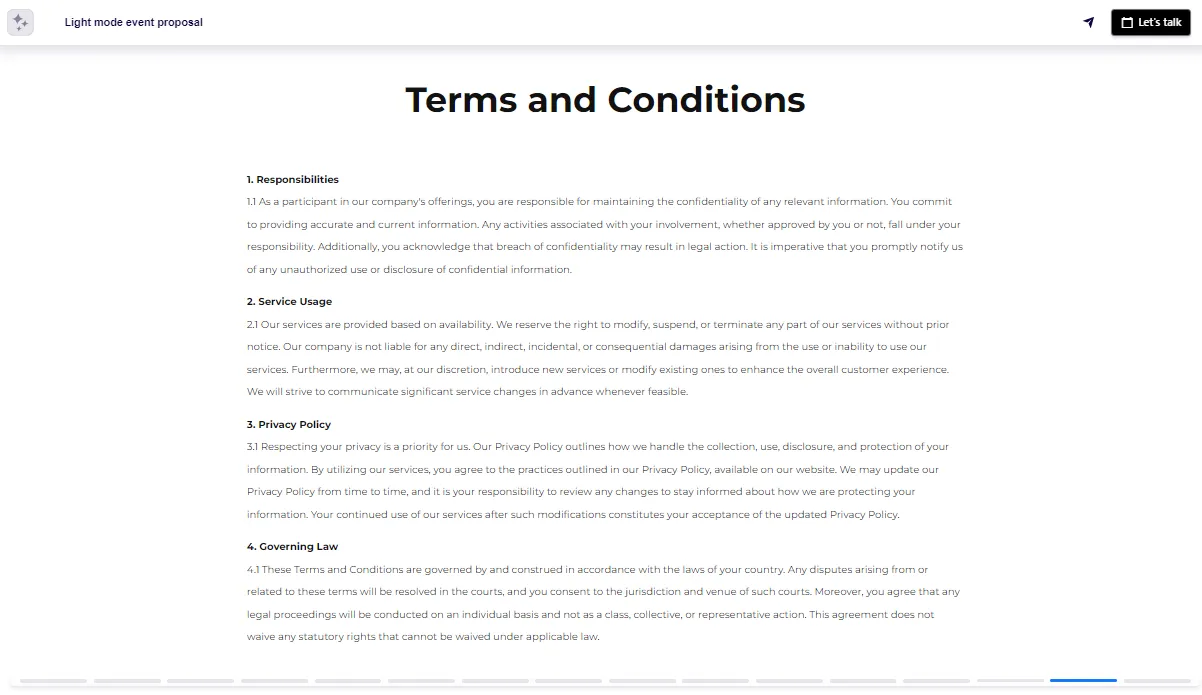
8) Terms and Conditions
I know, I know—dealing with the legal stuff isn’t the most thrilling part of putting together your proposal, but it’s crucial.
In the terms and conditions section, you need to clearly outline what both you and the sponsor are agreeing to.
List the sponsor’s responsibilities, like when payments are due and what they need to provide.
Also, explain what they can expect from you, such as your promotional efforts and support during the event, and what will happen if the event gets canceled or if plans change.
9) Approval and sign-off
To keep things easy, think about adding an e-signature option. No one’s got time for sending wet ink documents back and forth these days—an e-signature makes it simple for everyone to sign on the dotted line when they’re ready.
10) Contact slide
A big mistake I often see is ending a sponsorship proposal (or any deck, as a matter of fact) with just a simple thank you slide.
While it’s nice to be polite, this approach can actually close off communication, letting potential sponsors easily move on to other offers.
Instead, it’s crucial to end your proposal with a clear and actionable next steps slide. This should clearly tell sponsors what they can do next if they’re interested.
You might want to include links to more detailed information about your event and a link to your calendar to make scheduling a follow-up meeting straightforward.
This keeps the dialogue open and makes it easy for sponsors to engage further without any fuss.
How to prepare for a sponsorship proposal?
Before you even sit down to make your sponsorship proposal, there are some steps you need to take to make sure your proposal resonates with potential backers.
1) Understand who you’re talking to
Start by figuring out exactly who your potential sponsors are. Think about which businesses would benefit most from exposure to your event’s audience.
For instance, if your event is tech-focused, consider reaching out to tech corporations, startups, or educational institutions.
Once you’ve identified these companies, dive deeper to understand their values, recent marketing activities, and any community engagements they’ve had.
2) Pinpoint the decision maker
Identifying who can green-light your sponsorship proposal is key. Often, this will be someone in a marketing or corporate partnerships role.
Reach out through professional networks like LinkedIn or company websites to connect directly with the right person.
Establishing a direct line to the decision maker can streamline the process and improve your proposal’s chances.
3) Create your Unique Value Proposition
What sets your event apart? Whether it’s the size and diversity of your audience, the uniqueness of your content, or the prestige of your speakers, make sure your proposal shines a light on why your event is not to be missed.
Your unique selling proposition should resonate with your potential sponsor’s goals, like increasing brand visibility or reaching new demographics.
4) Engage with questions
When you meet with potential sponsors, it’s not just about pitching your event—it’s also about listening.
Ask about their past sponsorship experiences: What worked? What didn’t? Use this feedback to tailor your proposal, highlighting how your event addresses their needs and past concerns.
Sponsorship proposal templates that work
Creating a sponsorship proposal is trickier than it might seem.
You need to include all the essential details without making your proposal feel like a boring rundown of data. Then, you need to present it in a way that makes your proposal stand out from the stack on a potential sponsor’s desk.
Interactive sponsorship proposal templates provide a structure that’s already been fine-tuned for engagement. This gives you a better shot at catching the eye of your desired sponsors.
Just grab one.