

How to Write a Major Gift Proposal That Wins (+Templates)
Learn how to make a major gift ask, including best practices for writing a major gift proposal and major gift proposal examples usable as templates.
Set as Preferred Source
How to write a major gift proposal step-by-step
Most major gift proposals are failing because they skip one crucial element – building a relationship with the donor.
Many still seem to think they only need to present their cause and ask for money and the funds will flow in.
But your proposals probably won’t do much good unless you first establish a connection with your prospective donors around shared goals.
Let me show you how to write a major gift proposal that does more than ask for money — it helps you build relationships that will support your work over the long haul.
1) Title slide
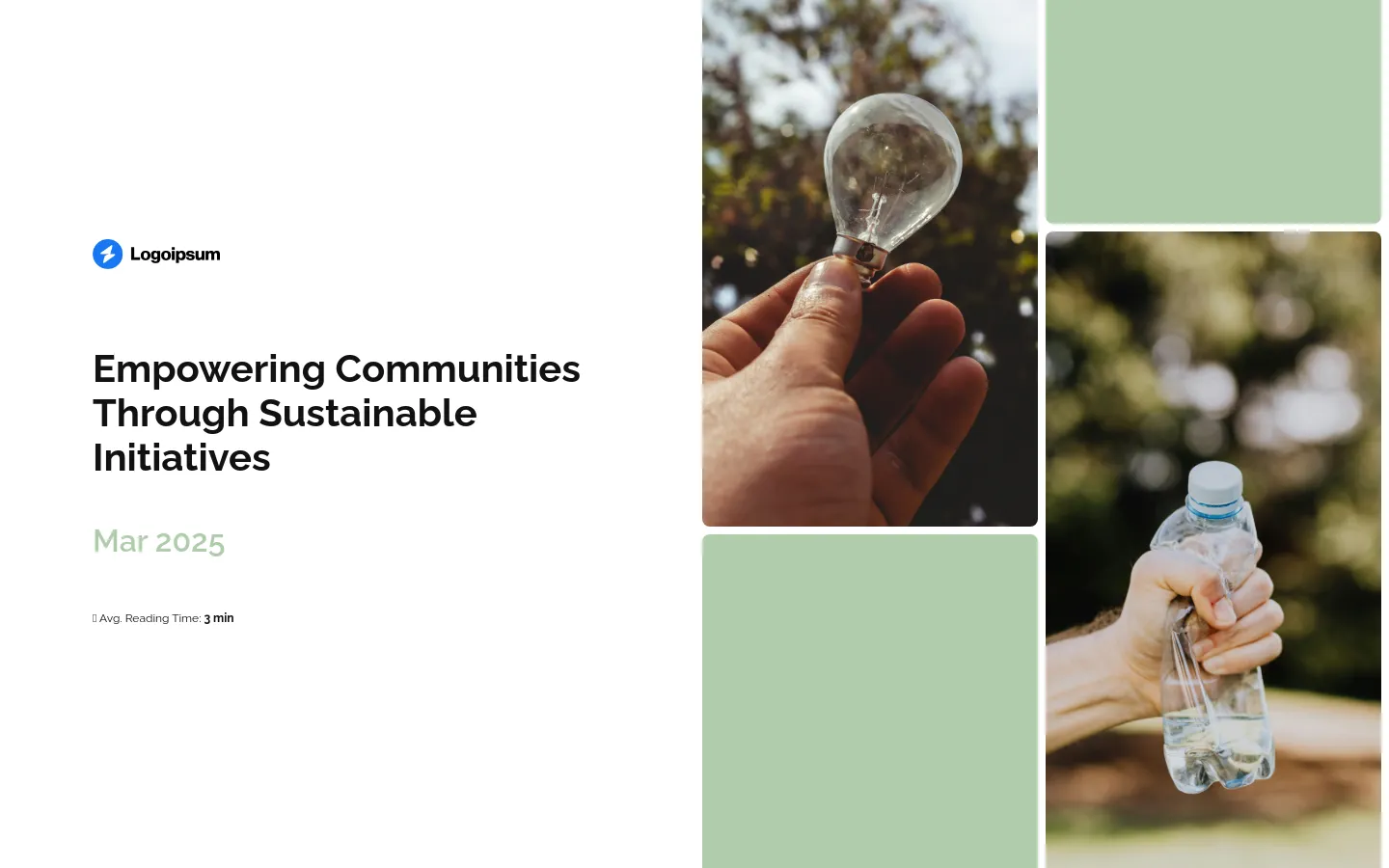
Start with a strong title slide that clearly shows what your proposal is about.
Include the name of the proposal and the date right up front. This slide sets the tone for your presentation, quickly showing the seriousness and specificity of your request.
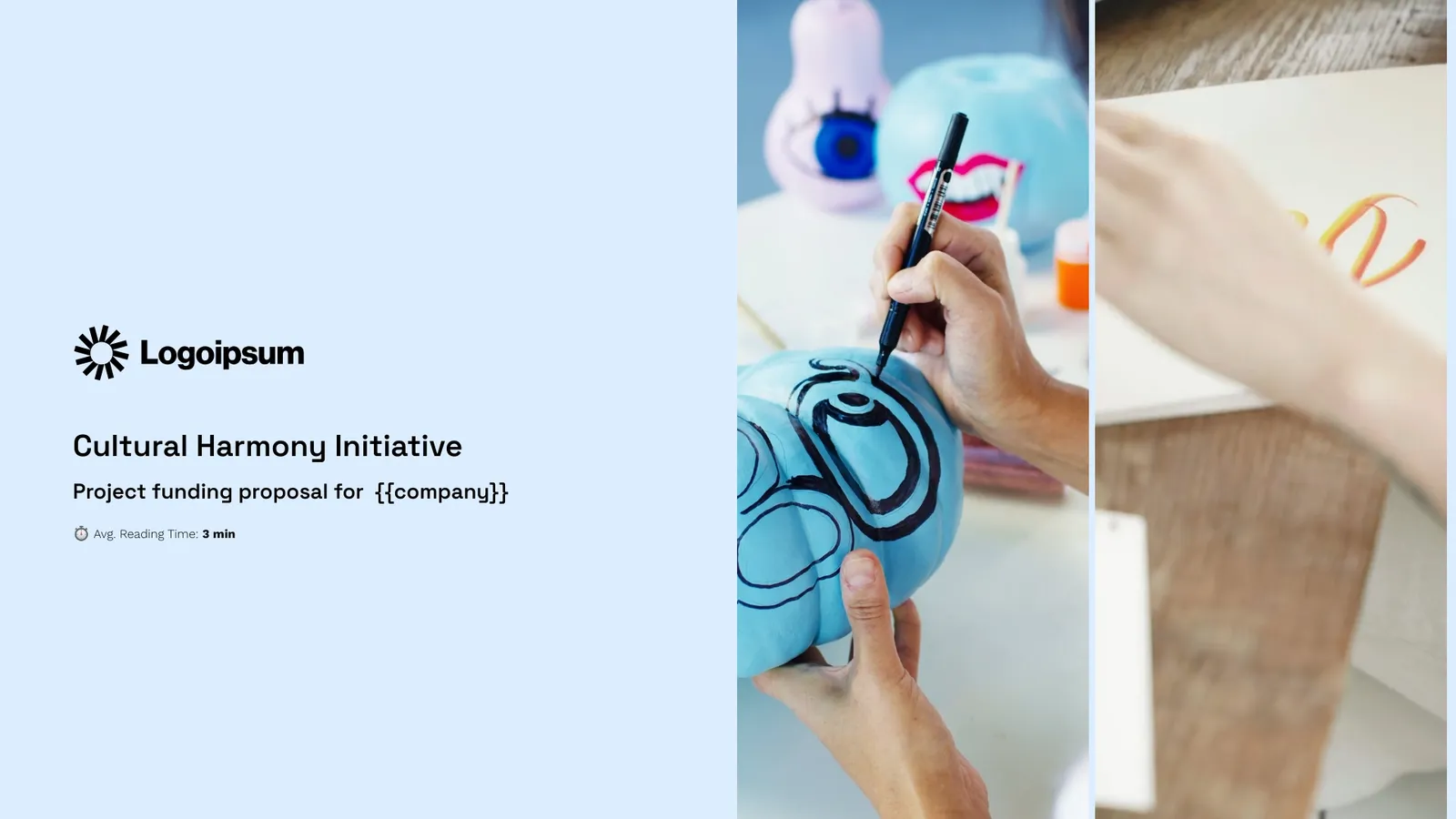
Here’s an example of a title slide:
2) Executive summary
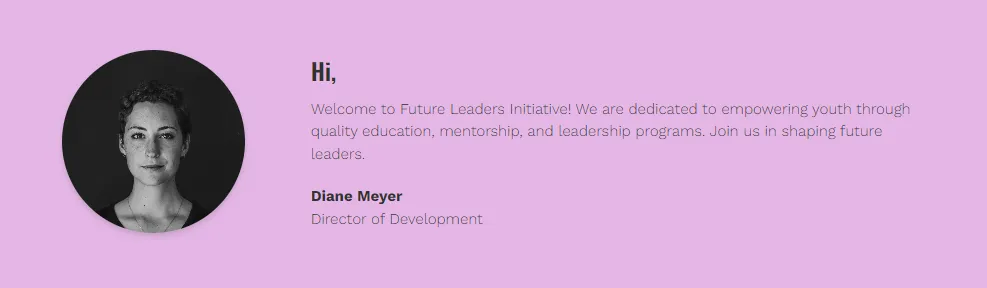
Quickly and efficiently summarize the proposal’s goals, the funding you need, and the difference the donor’s contribution will make.
This section is basically your elevator pitch.
Executive summary example:
3) Organizational information
Introduce your organization by highlighting its mission, achievements, and capacity to manage the proposed project.
Explain how your organization’s mission aligns with broader social or environmental causes, reinforcing the importance of the donor’s alignment with your goals.
This section should reassure the donor of your organization’s credibility and track record.
Example of an about us slide:

4) Program description
- Offer donors a selection of programs to choose from, allowing them to match their support with the initiatives that best meet their personal or corporate giving goals.
- Detail what each program involves and how exactly the funds will be used. This should include specific initiatives, methods, and the program’s scope, connecting back to how these elements serve the larger cause.
- Demonstrate a clear path from investment to impact, showing the donor how their contribution will be activated within the program.
Program description slide example:
5) Statement of need
Clearly articulate why funding is necessary.
Use data, testimonials, and expert opinions to paint a vivid picture of the problem your project addresses.
This section should make the case for urgency and relevance, compelling the donor to act as a necessary partner in a critical cause.
Jeff Schreifels, Senior Partner at Veritus Group with over 27 years of experience in non-profit fundraising, says:
You’d be surprised how many people go through writing the whole gift proposal, but don’t actually make the ask.
They might feel uncomfortable talking about money, fear rejection (which is a normal part of the job!), or even see not asking as a badge of honor.
6) Budget overview
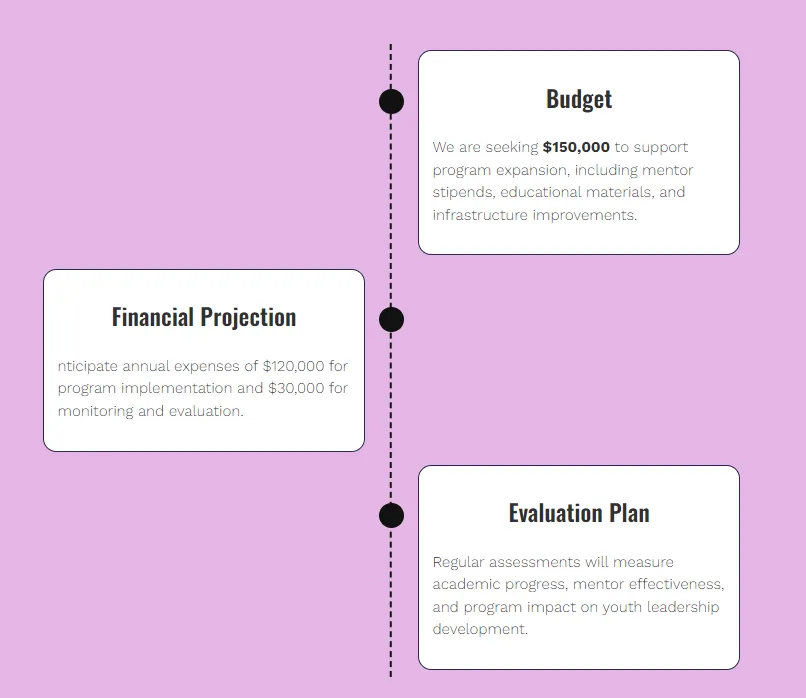
Provide a detailed breakdown of costs associated with the project, and relate these costs back to the outcomes and impacts.
Show the donor that every dollar has a purpose and that their investment is an efficient and effective allocation of resources toward a significant cause.
Budget overview slide example:
7) Impact of the gift
Here, you should describe the change that the donor’s gift will make.
This is the essence of cause selling—connecting the dots between the gift and its impact on the community or field.
Use nonprofit storytelling techniques to illustrate potential success stories and the long-term benefits that will arise from their support.
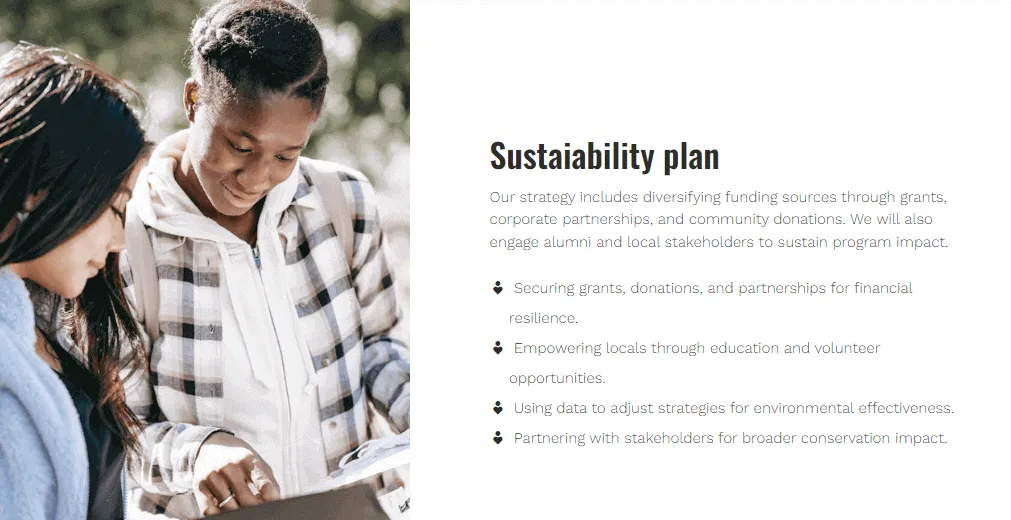
You can do so through presenting a sustainability plan:
8) Recognition and benefits
Outline how the donor will be recognized for their contribution.
This isn’t just about naming opportunities or publicity—it’s about connecting their legacy to a cause and demonstrating the social dividends of their investment.
Make them see the prestige and respect that comes from being associated with a significant and impactful cause.
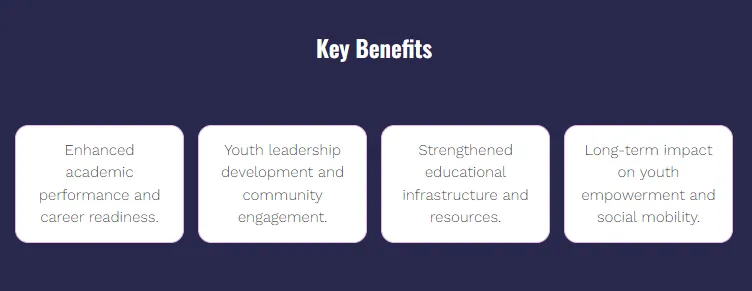
Benefits slide example:
9) Testimonials and success stories
Personal stories are powerful tools in cause selling. Include testimonials from those affected by your organization’s work or those who have benefited from similar projects.
These narratives humanize the cause and allow the donor to visualize the real-world impact of their support.
Testimonials slide example:
10) Next steps
It’s important to lead with gratitude and acknowledge the donor’s potential contribution.
However, you should avoid closing the presentation with a generic thank you slide that might signal the end of the conversation.
Instead, keep the lines of communication open, inviting further discussion and collaboration.
Conclude with a clear, action-oriented outline of what will happen once the proposal is approved.
Include timelines and any immediate steps the donor needs to take to set the wheels in motion.
This helps transition the proposal from a hypothetical plan to an imminent reality, ready for the donor’s involvement and action.
Example of a next steps slide:
If you want to learn more, chekc out our blog post on how to end a presentation and get people to act.
How to prepare for writing a major gift proposal
Before you dive into writing your major gift proposal, it’s crucial to lay the groundwork.
This section will walk you through the essential steps of preparing for your proposal, starting with researching your donors to understand their interests and values.
I’ll also cover how to align them with your programs and how personalizing your proposal can significantly increase your chances of success.
1) Get to know your donor
Kick things off by really getting to know your potential donors. Dive into resources like WealthEngine, DonorSearch, or Foundation Directory Online to discover their giving history and the causes they’re passionate about.
This step is key—it lets you tailor your proposal to hit the things that matter most to them, making your pitch not just more personalized, but also way more compelling.
Here’s a great piece of advice from Julia Michaels, a nonprofit leader with years of experience in fundraising:repa
2) Qualify your donors
Building on the previous point, qualifying donors helps you zero in on those who are really interested in a deep relationship with your organization and can give more generously.
It’s about using your time wisely and ensuring your efforts are spent on the most promising prospects.
The sad truth is, even when donors fit your criteria, only about 1 in 3 or even 1 in 5 will want to connect with you. And since donor attrition rates are between 40-60% in most organizations, they’re losing millions each year.
Your major gift officers also only have so much time to dedicate to cultivating those relationships, so you want to prioritize people who would be willing to support your cause long-term.
You can do so by analyzing their past donations, checking how involved they are in events and how they respond to communications, and doubling down on what causes matter to them.
3) Match donors to specific programs
Donors are more likely to give when they care deeply about where their money is going. Matching them with the right programs makes their donations feel more personal and impactful.
Once you’ve qualified your donors, look for demographic or sector matches.
Your major gift officer should know the programs inside out and use that knowledge to clearly explain what the program aims to do and why it needs support. Show how their support can make a difference.
4) Develop individual strategies for each donor
Each donor is different. Creating personalized strategies for them shows you respect their individual reasons for giving and increases the likelihood of larger donations.
How to develop a donor strategy:
- Build detailed donor profiles: Gather information about each donor’s past donations, what they like to communicate about, and other causes they care about. This helps you connect with them on a deeper level.
- Set clear goals: Define what you want to achieve with each donor. This might be getting a major gift or just building a stronger relationship.
- Customize your approach: Plan how to engage each donor based on their preferences. For example, some might prefer updates by email, while others might like a phone call or face-to-face meetings.
- Keep in touch regularly: Regular updates that show how their donations are making a difference can make donors feel valued and informed. Tailor these communications to match their interests and the impact they are passionate about.
- Adapt based on feedback: Pay attention to how each donor responds to your interactions. Use this feedback to tweak your approach, showing that you’re attentive to their needs and preferences.
Major gift proposal examples donors love
Now that you know how to write your major gift proposal step-by-step and set the groundwork, let’s see how it works in practice.
I’ve handpicked some major gift proposal examples following a structure that has worked well for other organizations.
I’ll walk you through what makes each one effective. If any catch your eye, feel free to use them as a template and tailor them to fit your needs.
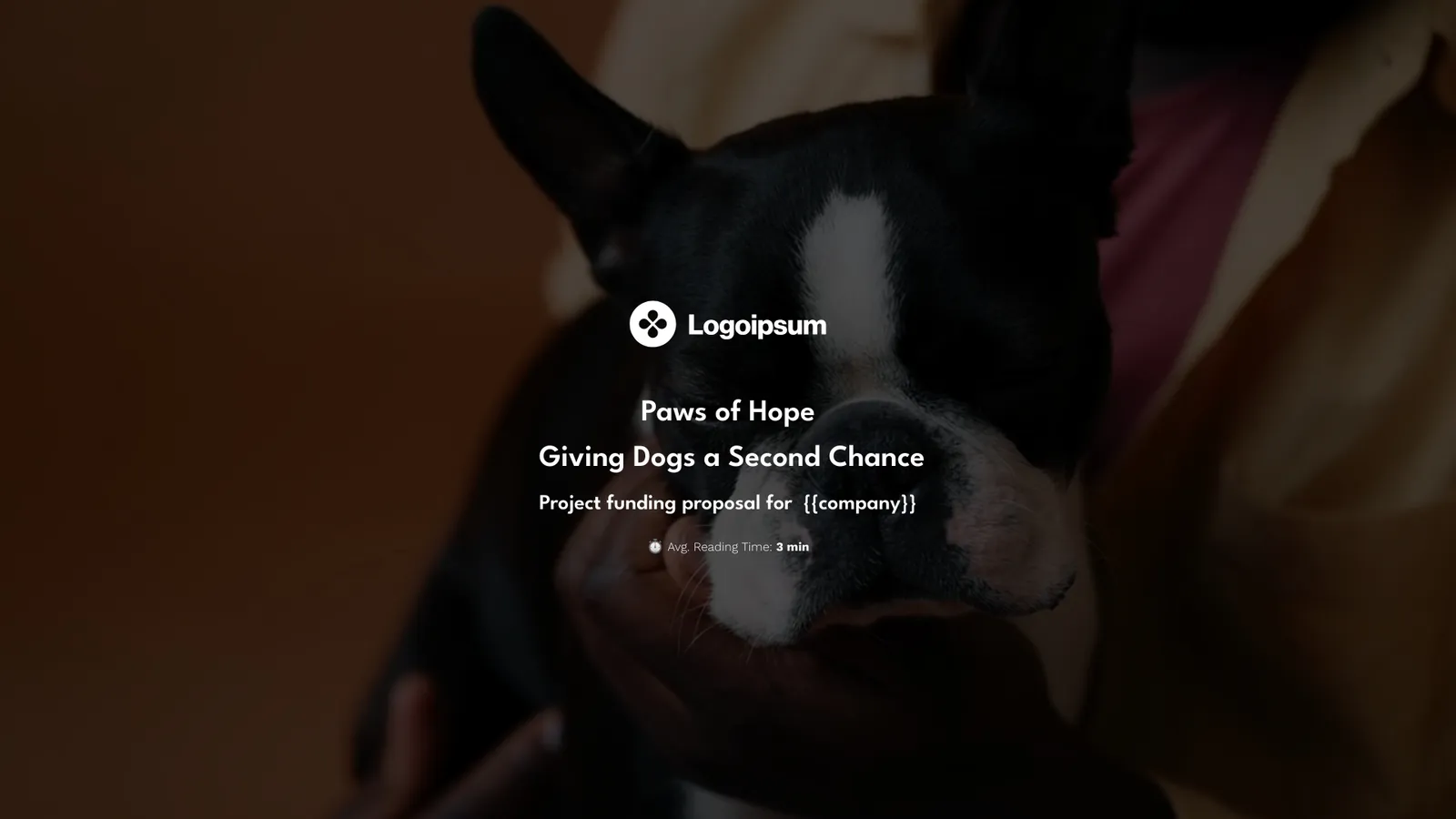
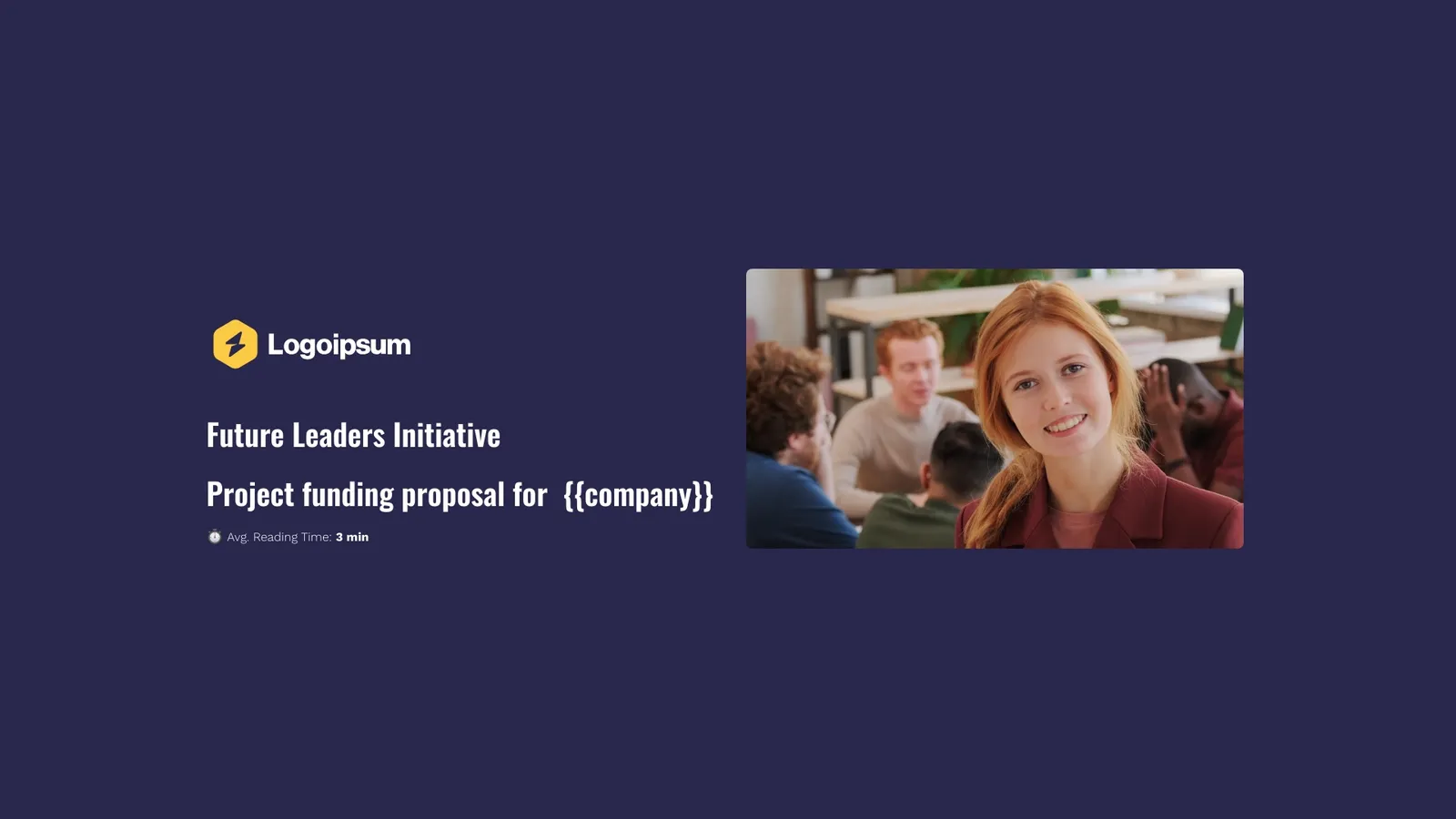
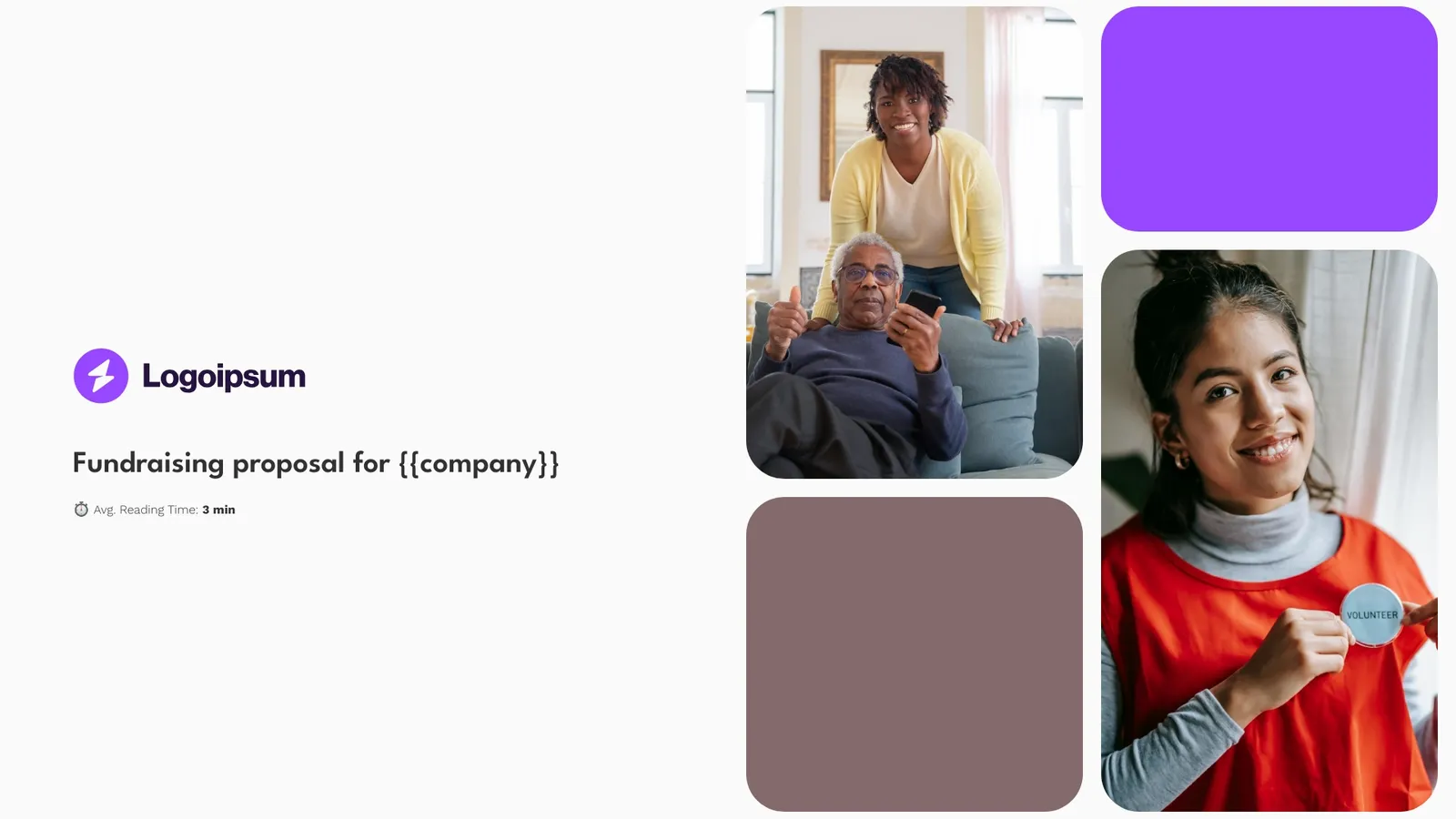
Major donor proposal for a youth organization
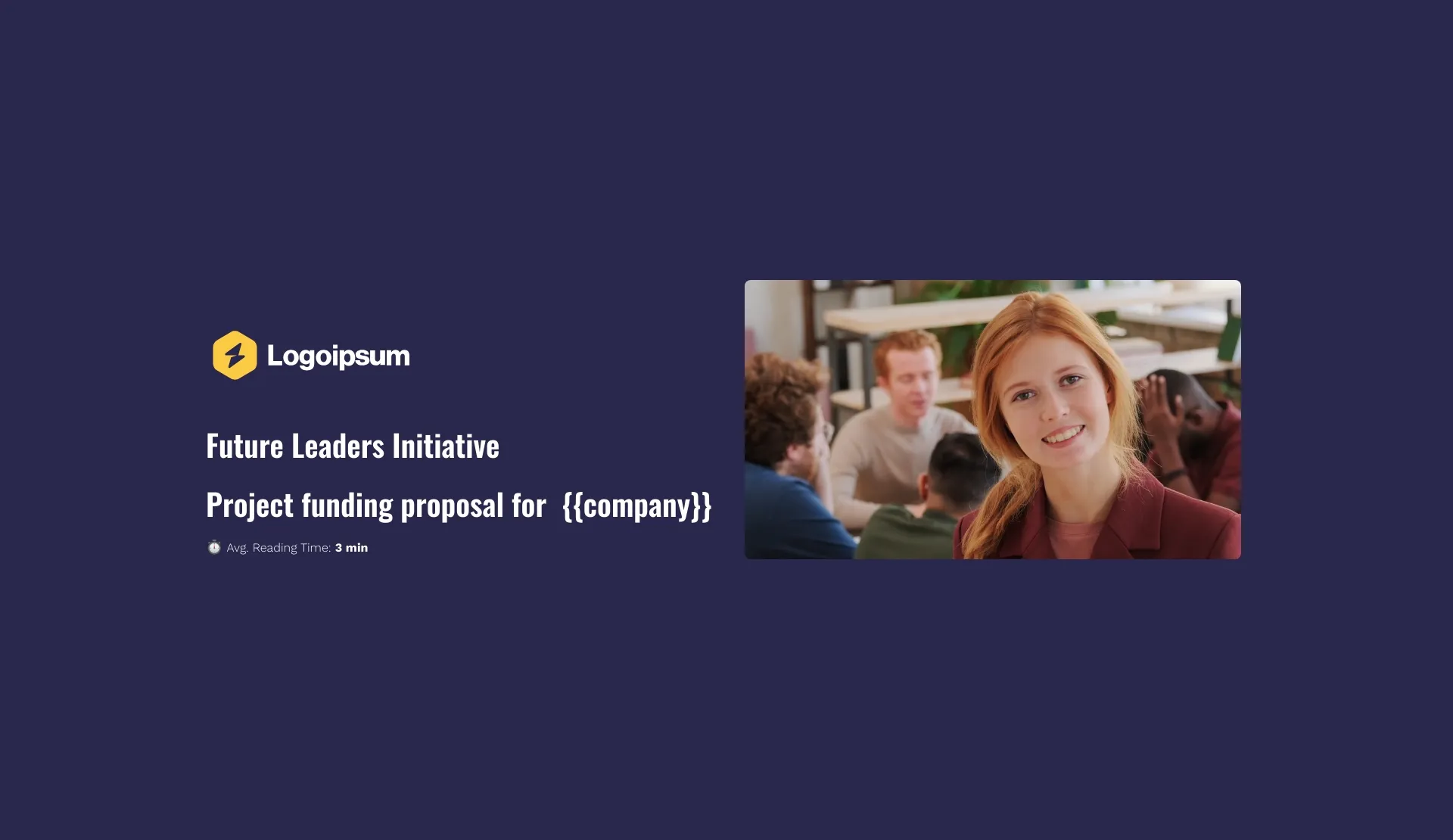
The reason I chose to start with this major gift proposal is the fact that it’s designed for easy personalization.
Right on the cover slide, there’s a placeholder for the {{company}} tag—you can easily replace this with your donor’s details in just a few clicks. This customization makes the proposal feel like it was made just for them.
When you’re building relationships with potential donors, this kind of personal touch can really make you stand out. It could be the difference between securing the all-important funding and blending into the crowd.
Scroll to preview
Major gift donor proposal for a healthcare organization
This major gift proposal is structured like the previous ones but is specifically designed for healthcare organizations.
Here, it’s crucial to keep the information easy to understand, avoiding overwhelming donors with medical jargon or too much data.
This proposal does a great job of that by using grayed-out sections to focus attention and adding expandable text sections and links to external resources to keep the main layout clean.
I love how easy it is to digest, and I’m sure busy donors, who receive dozens of similar proposals each week, will appreciate it too.

Scroll to preview
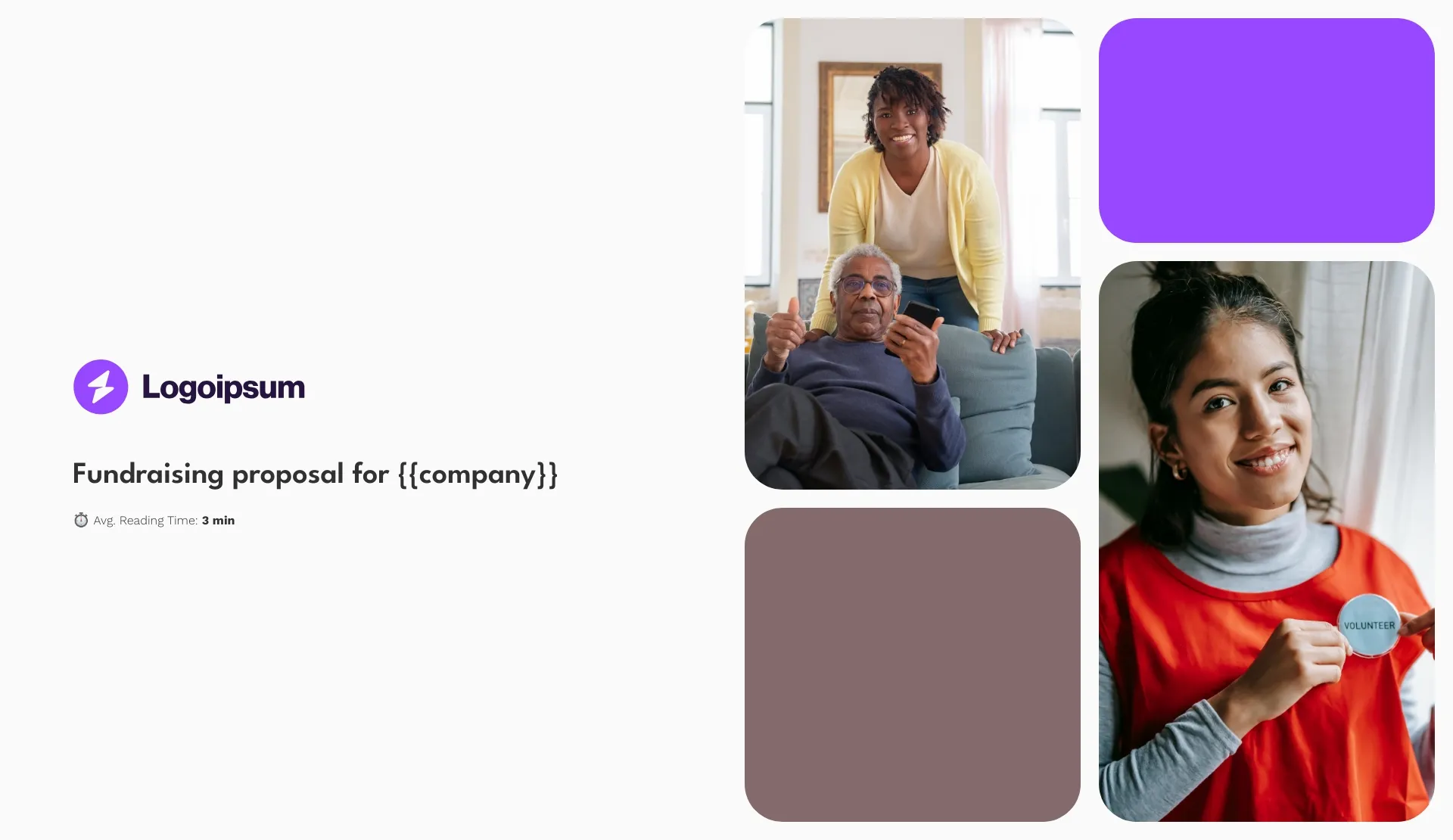
Donor funding proposal
This major gift proposal is also similar in structure, but I really like how it focuses on data.
The budget slide with its data visualization is especially good. It shows year-over-year progress, which can really get donors excited about what their support could do.
Updating the data is straightforward, and all the charts and graphs update in real time, so I don’t have to worry about keeping them fresh.
And if donors have more questions after going through the proposal? There’s an embedded calendar on the last slide that makes it really easy for them to set up a follow-up meeting!
Scroll to preview
Where to find major gift proposal templates?
Building a major gift proposal takes more time than you might think. You need to include all the essential details, crunch the numbers, and personalize your presentation for each donor.
There’s a lot riding on this presentation, and even with all this effort, success isn’t guaranteed.
Interactive major gift proposal templates can do the heavy lifting for you. They use a proven structure and make it easy to personalize at scale. All you have to do is add your specific details and make a few final tweaks.
Grab one and see for yourself!