
Write a Sports Event Planning Proposal (+Templates)
Learn how to write a project proposal for a sports event that impresses decision-makers. Use our sports event proposal templates to create yours.
Set as Preferred Source
What does a sports event proposal look like?
A modern sports event proposal is an interactive deck that allows you to add multimedia, embed videos, and clickable content that capture the energy and excitement of your event.
This approach doesn’t just deliver the dry facts; it lets your proposal stand out and keeps people engaged from start to finish.
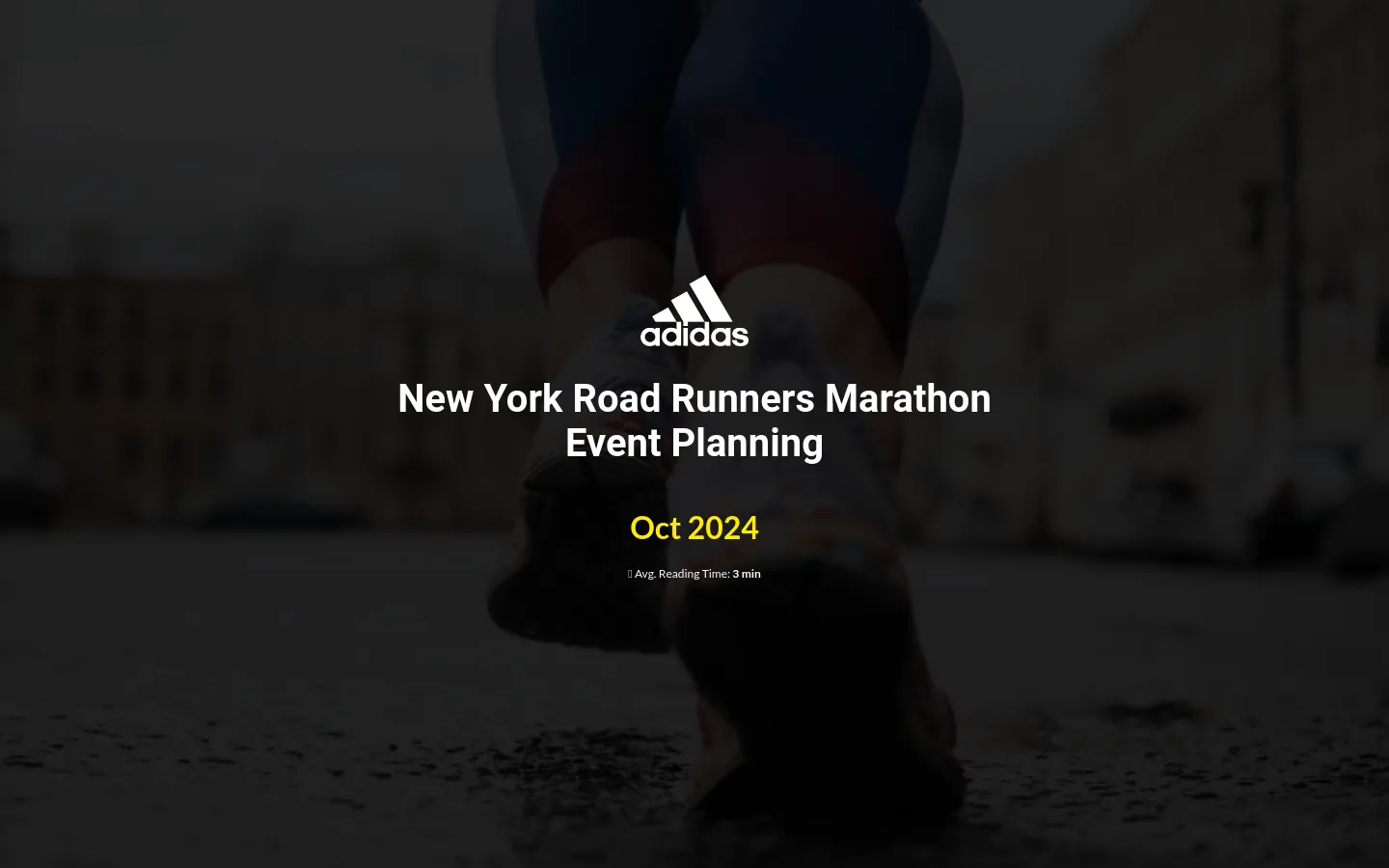
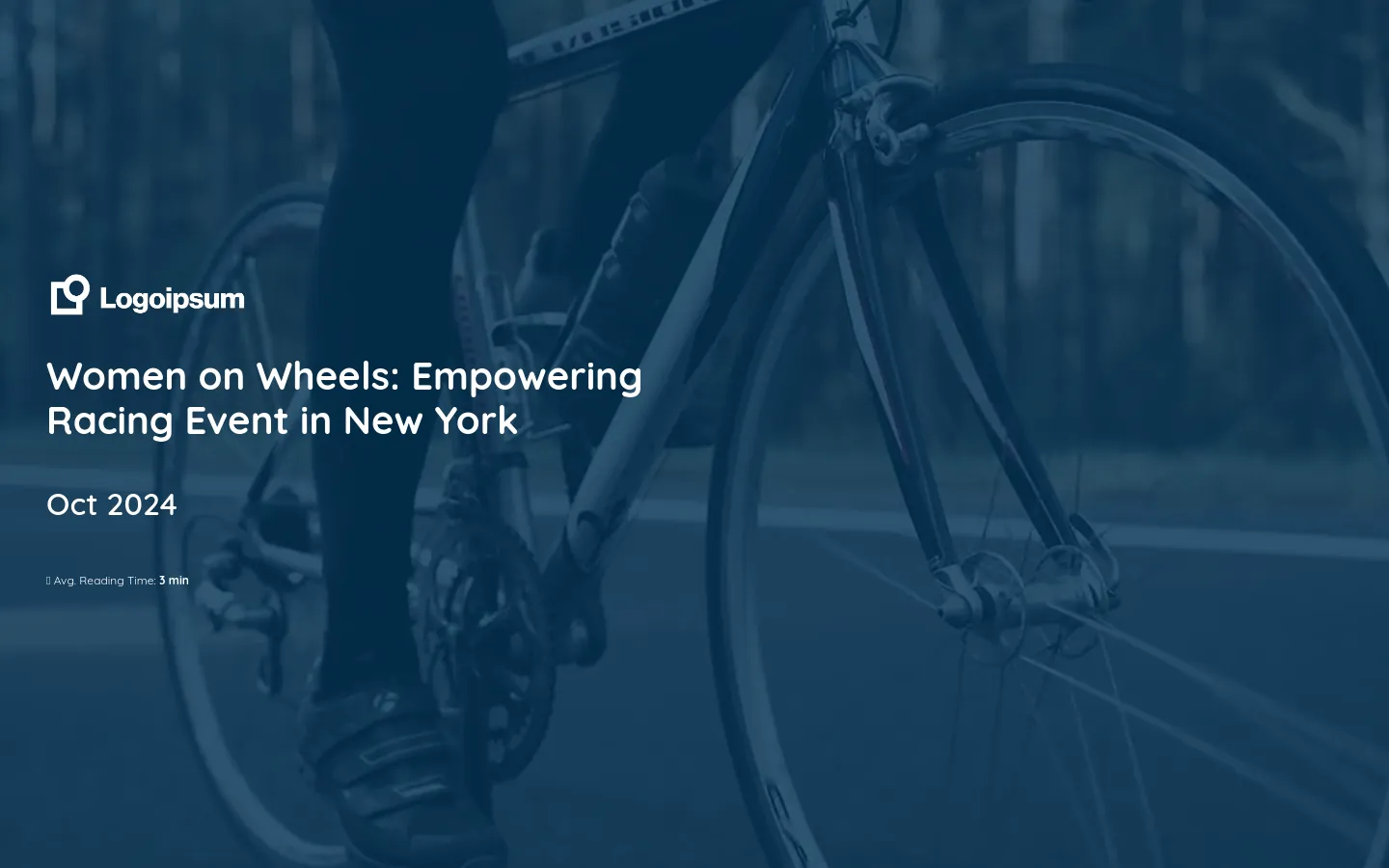
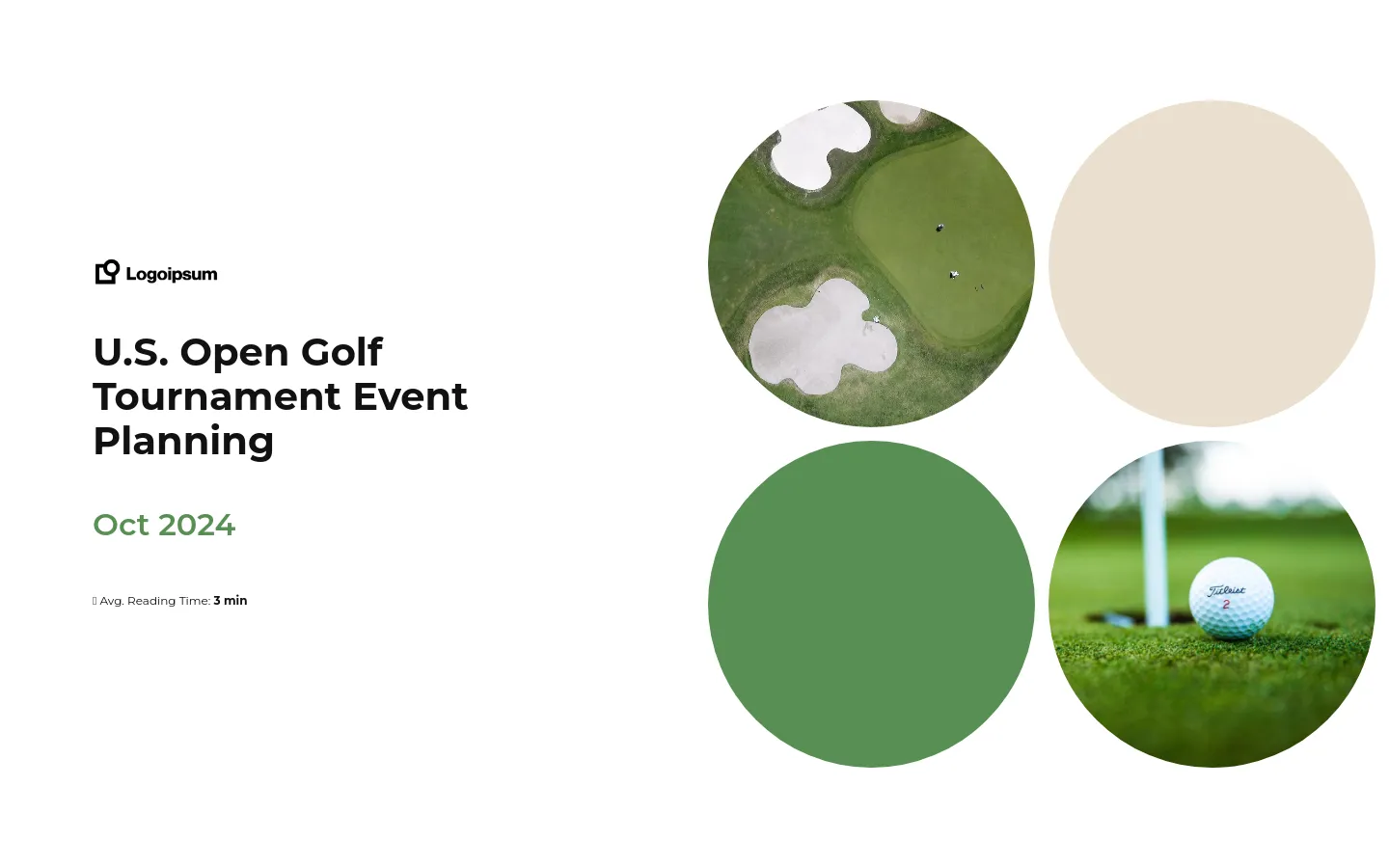
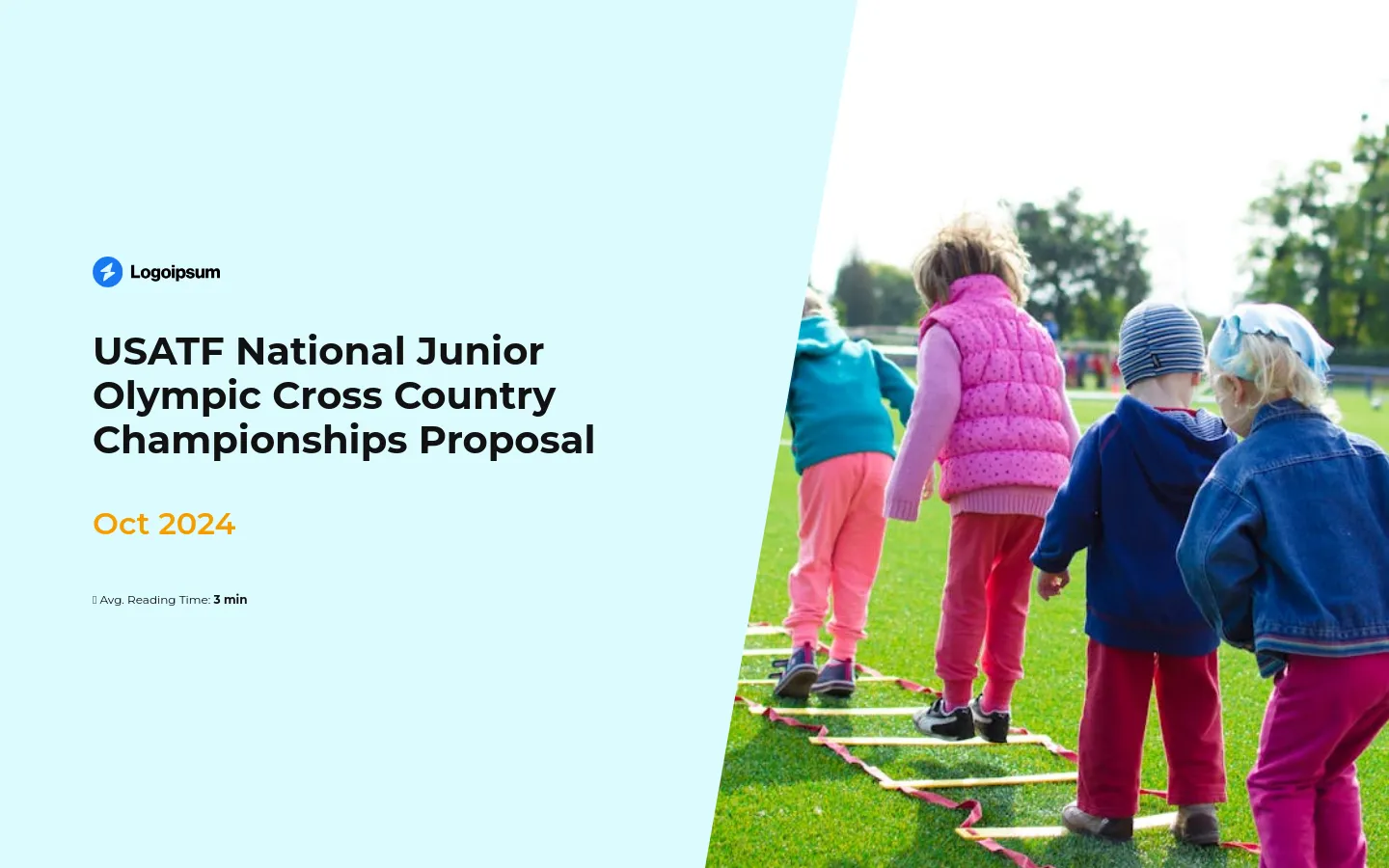
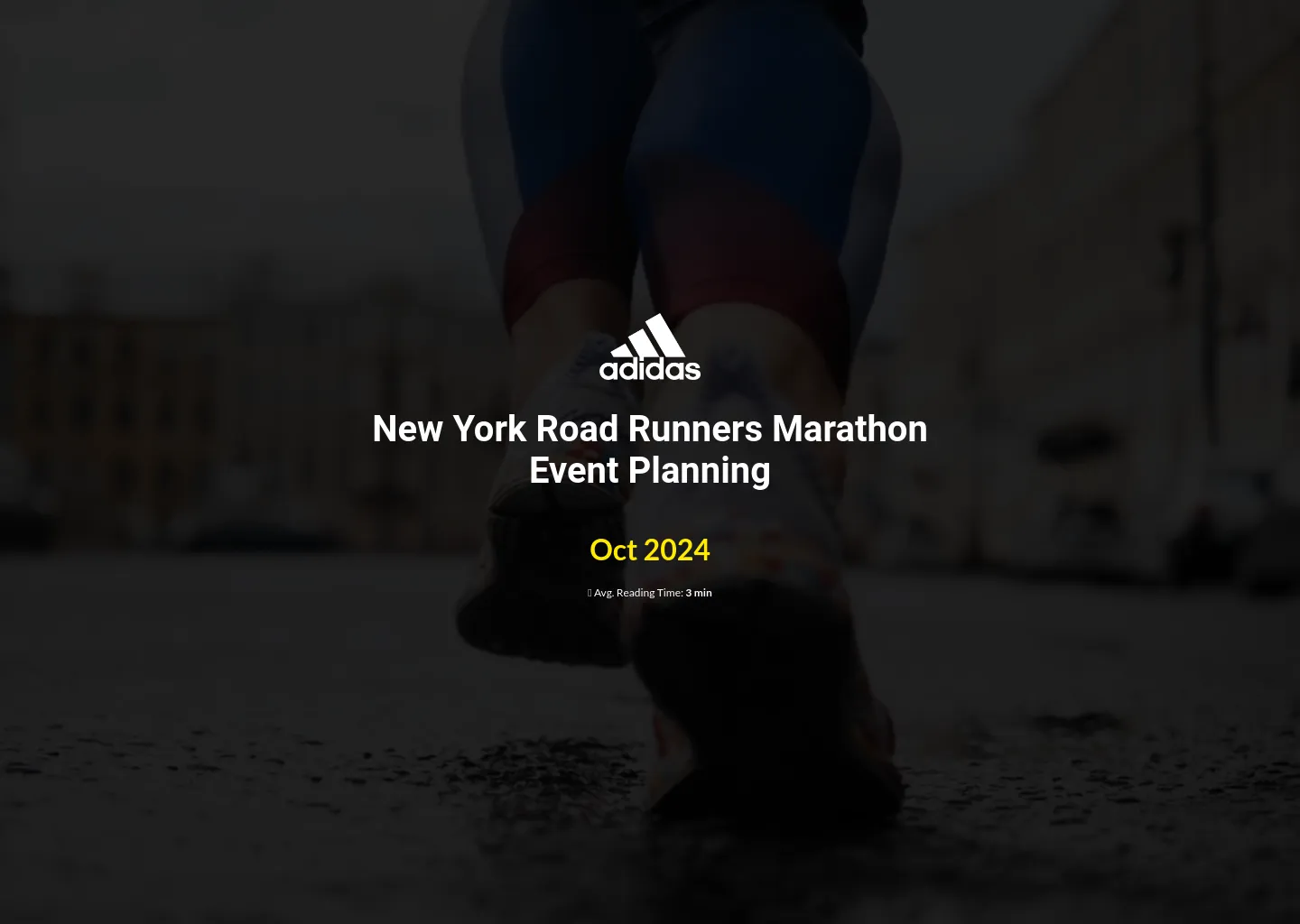
This is what an interactive sports event proposal looks like:
Scroll to preview
How to write a sports event proposal to get approval?
Writing a sports event proposal isn’t just about ticking boxes. You need to bring the event to life and make it clear how it will achieve your client’s goals.
A proposal that’s engaging and passionate is far more likely to get approved than one that just goes through the motions.
In this blog post, I’ll teach you how to write a successful sports event proposal slide by slide.
1) Cover slide
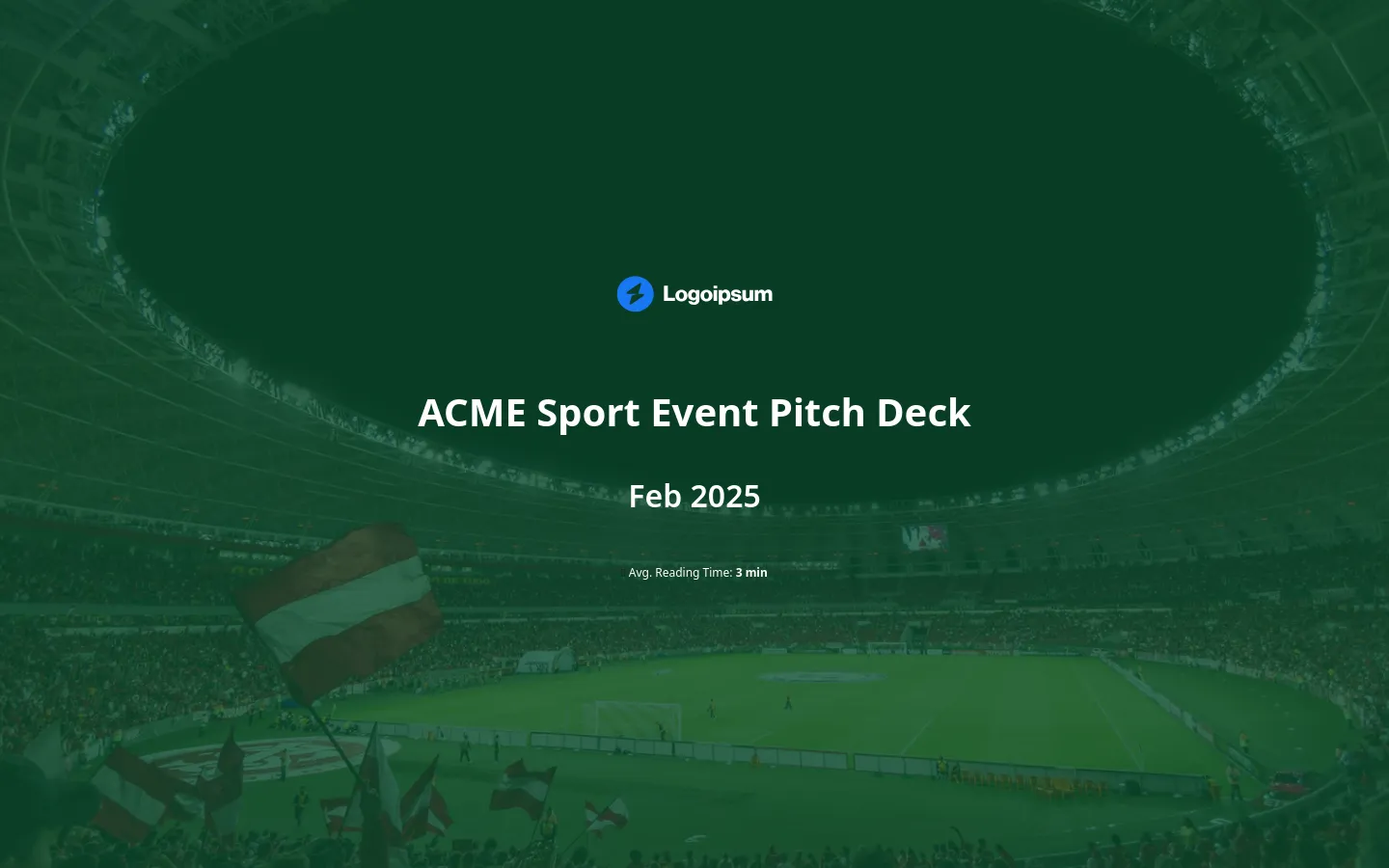
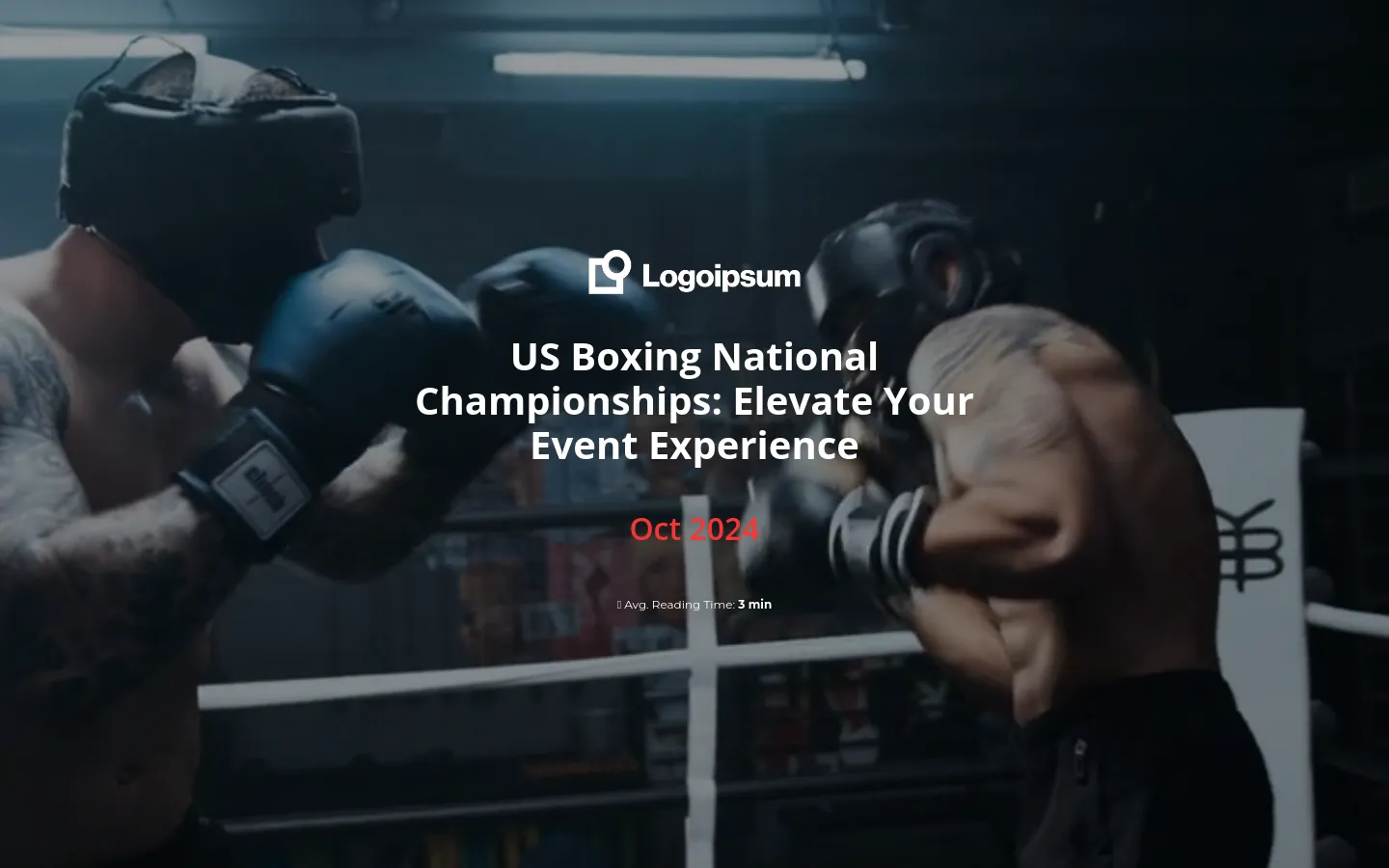
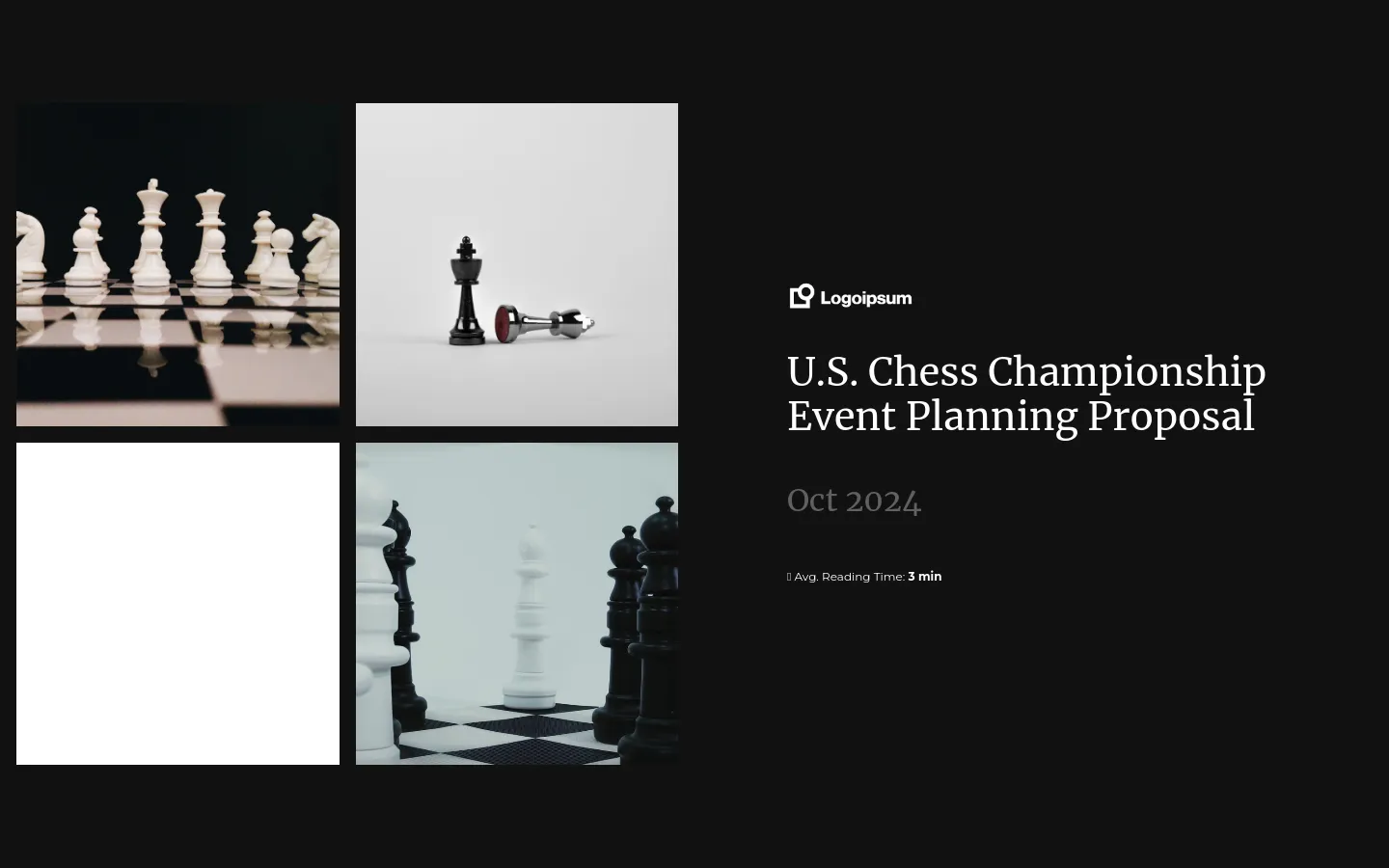
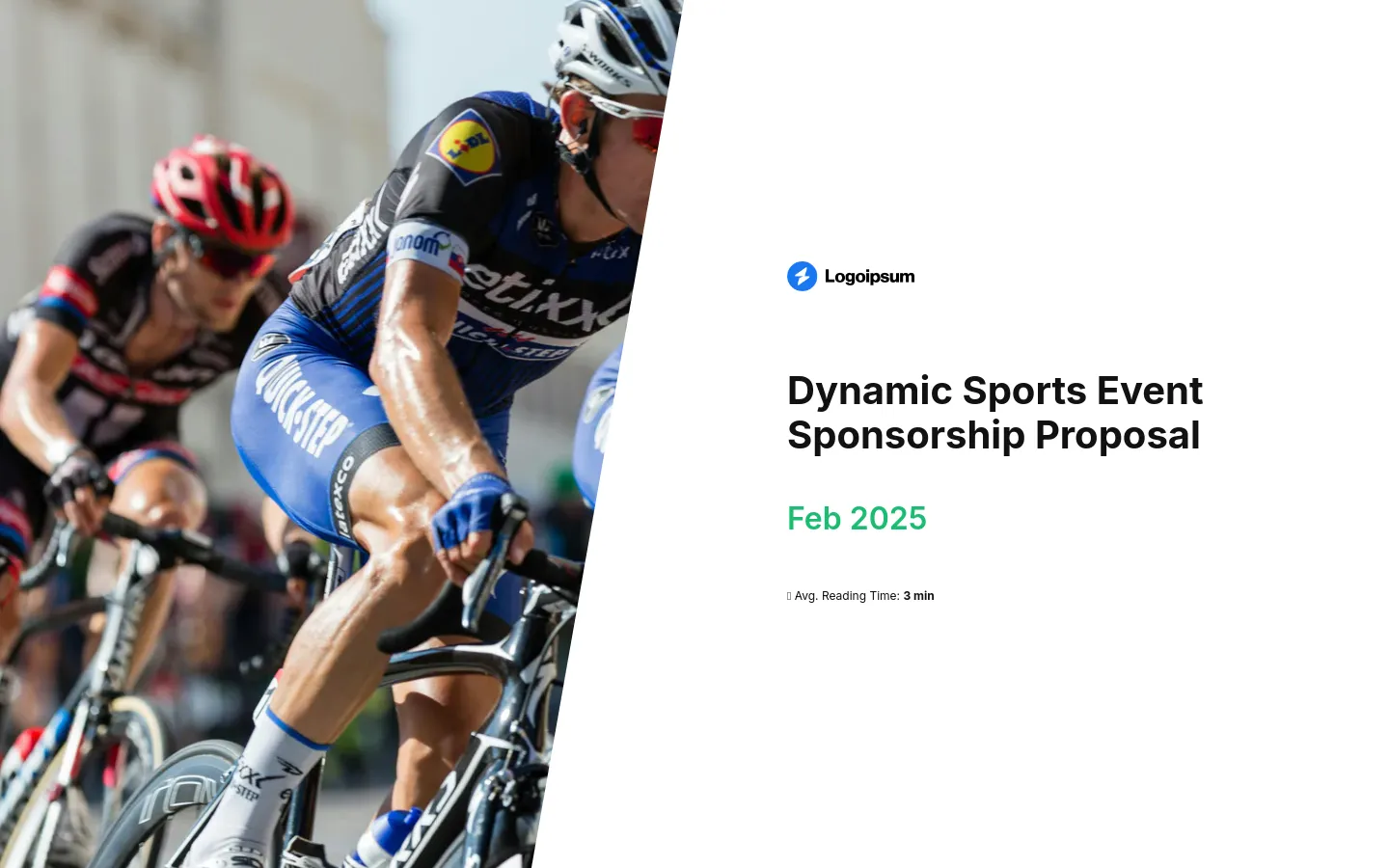
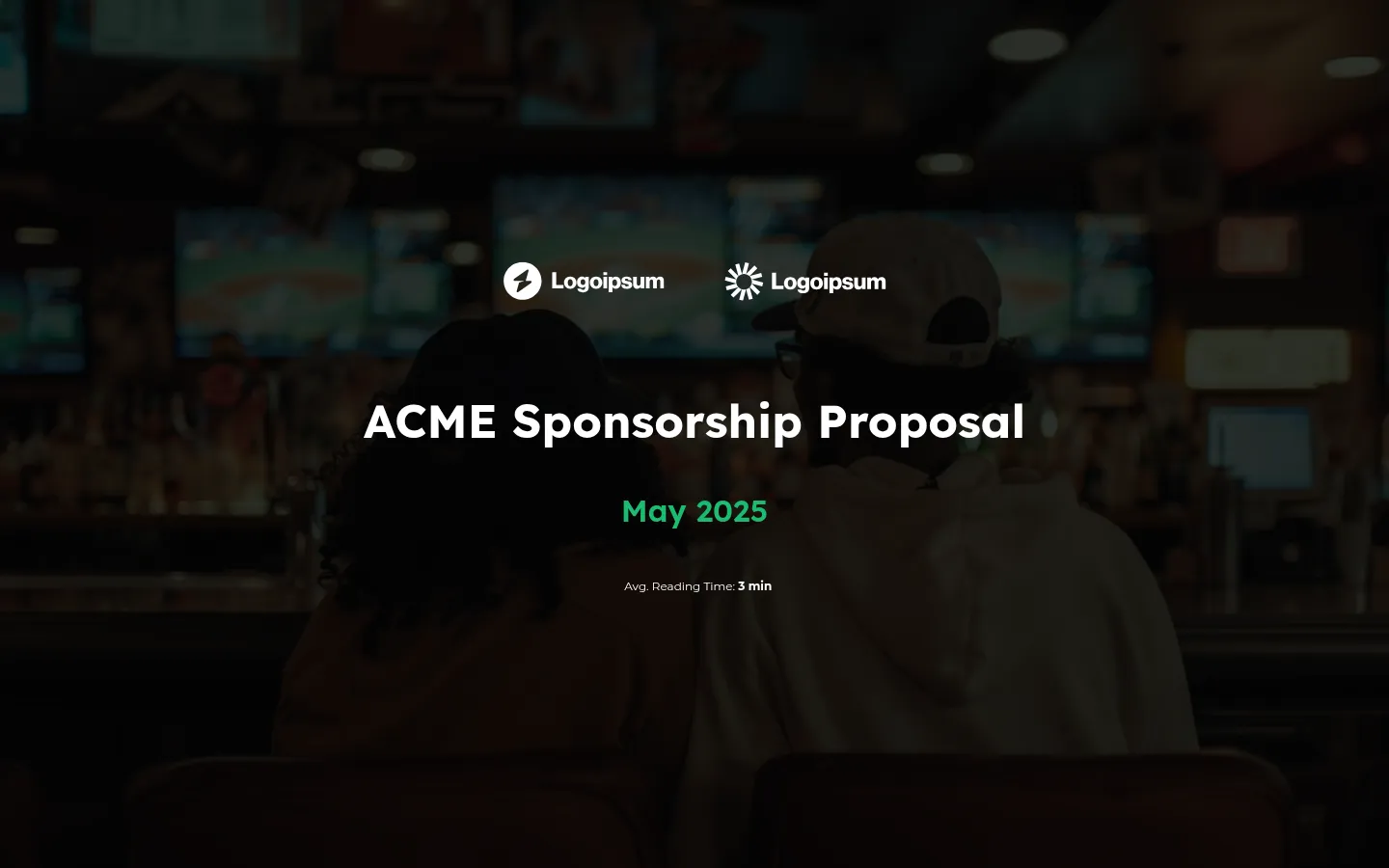
The cover slide of your sports event proposal sets the stage, so it needs to hit hard right from the start. Keep it clean and professional, but don’t shy away from showing off your event’s personality.
Make sure to include the essentials: the event name, logo, date, and your organization’s name. But don’t stop there—add a striking image or graphic that captures the energy and spirit of the event.
This helps create an instant connection and gets people excited right away.
Think of it as the first handshake before a big game—it should be memorable, inviting, and give the client confidence that your event is going to be something special.
2) Introduction
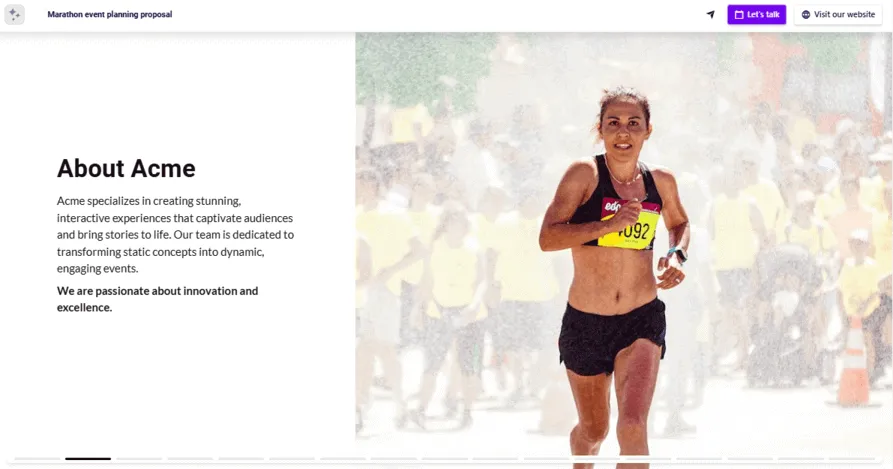
The introduction slide is your chance to introduce yourself, but don’t overdo it with too many details.
Clients don’t need your life story—just a brief explanation of why this event matters to you and why you’re the right person to lead it.
Focus on what drives you, but keep it simple and relatable. Let them see your passion without overwhelming them with information.
It’s about making a genuine connection, not a pitch about you. Keep the focus on the partnership and why it’s meaningful for both sides.
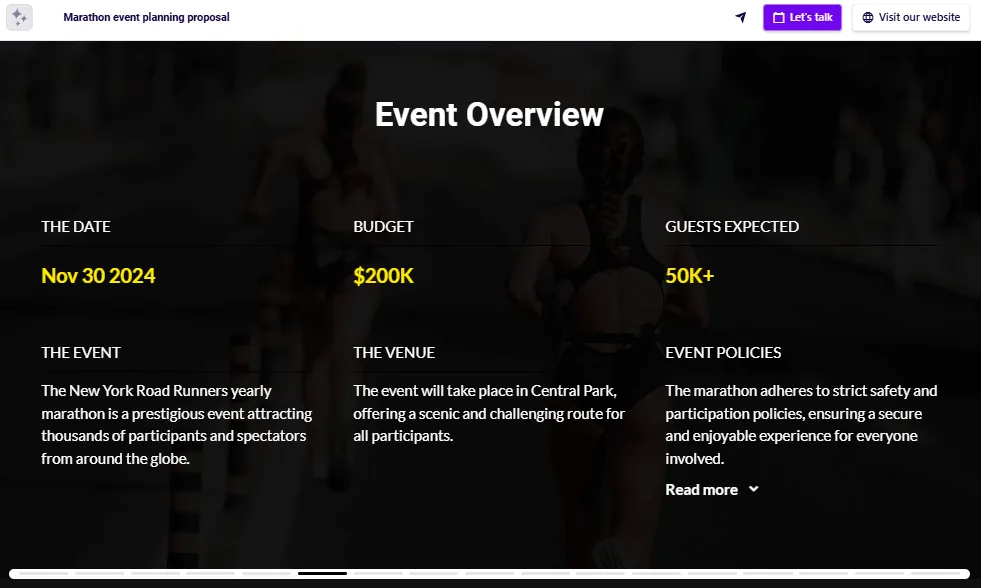
3) Event overview
This slide needs to be clear and easy to follow, but it should also spark excitement. Include the basics—date, location, and time—but don’t stop there.
Highlight what makes your event special. Talk about the key features that set it apart.
If you’ve got any big names attending or performing, let them know. If it’s a recurring event, mention past successes to build credibility.
4) Goals and objectives
Instead of just listing goals, use this slide to share your vision for the event. Focus on what you aim to achieve, both for the event and for your clients.
Be specific—mention how many spectators or participants you’re expecting, or if there’s media coverage lined up.
Tie your objectives to the event’s purpose—whether it’s fostering sportsmanship, growing local talent, or bringing a community together through sport.
This slide should show that you’ve thought through how the event will deliver real results, making it clear that it will be a win for everyone involved.
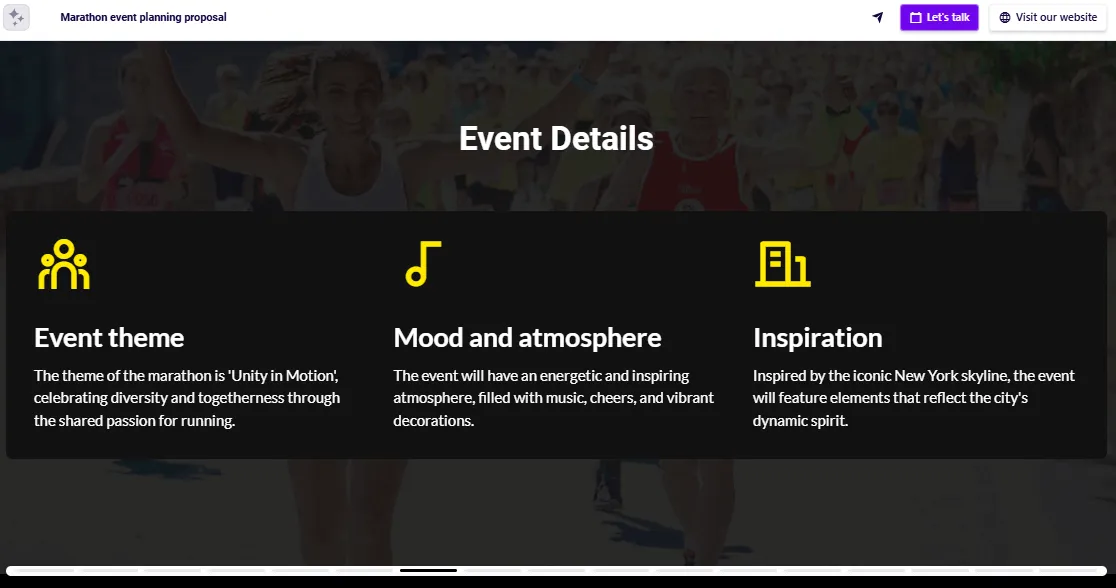
5) Event details
The event details section is where you bring everything together—date, time, location, and all the essential logistics.
For example, be sure to highlight important logistics like access points, spectator areas, and parking options.
Also, think about the on-site amenities—first aid stations, hydration points, or equipment services for the participants.
The idea is to make it clear that you’ve thought through every practical detail. Your client should feel confident that everything is organized and in place, showing that the event is ready to go without any loose ends.
6) Event schedule
Give a clear, organized breakdown of the day’s key activities—things like registration, warm-up sessions, main events, and awards ceremonies.
If there are key moments where the excitement peaks—like a high-stakes final, an athlete meet-and-greet, or the closing ceremony—be sure to highlight those in your deck.
The goal is to help clients understand how the day will flow and trust that the event is paced to keep everyone engaged, with everything running seamlessly.
It’s about showing them that you’ve planned an event that will hold attention from start to finish.
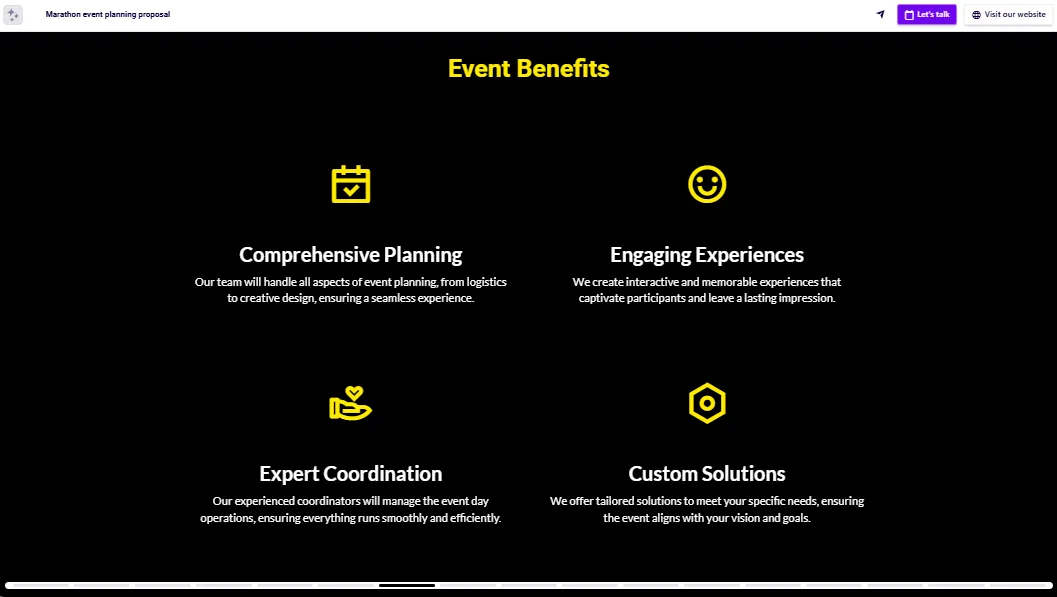
7) Client benefits
This is where you show your clients the real benefits of working with you.
Focus on what matters most to them—whether it’s a well-organized event that boosts their brand’s reputation, delivers a great experience for attendees, or hits key business goals.
But don’t just list generic perks. Tailor your message to their priorities. Maybe it’s about increasing community engagement, building stronger relationships with their target audience, or aligning with a cause they care about.
You want them to see how your event planning expertise will help them reach their goals and why your approach is the perfect fit for their vision.
8) Marketing plan
Start by explaining how you’ll reach the right audience. Will you be using social media, email campaigns, partnerships with local sports clubs, or even influencers?
Be smart about it. Don’t depend on just one method—use a mix of strategies to connect with different parts of your audience.
This ensures you’re casting a wide net while still being focused on who you want to engage.
Social media might work for younger participants, while email campaigns could grab the attention of corporate sponsors or local businesses.
Make sure your plan builds momentum leading up to the event, with key moments like early bird registrations and countdowns that keep people engaged and excited.
The goal is to make sure the event stays top-of-mind and that when the big day comes, everyone’s already talking about it.
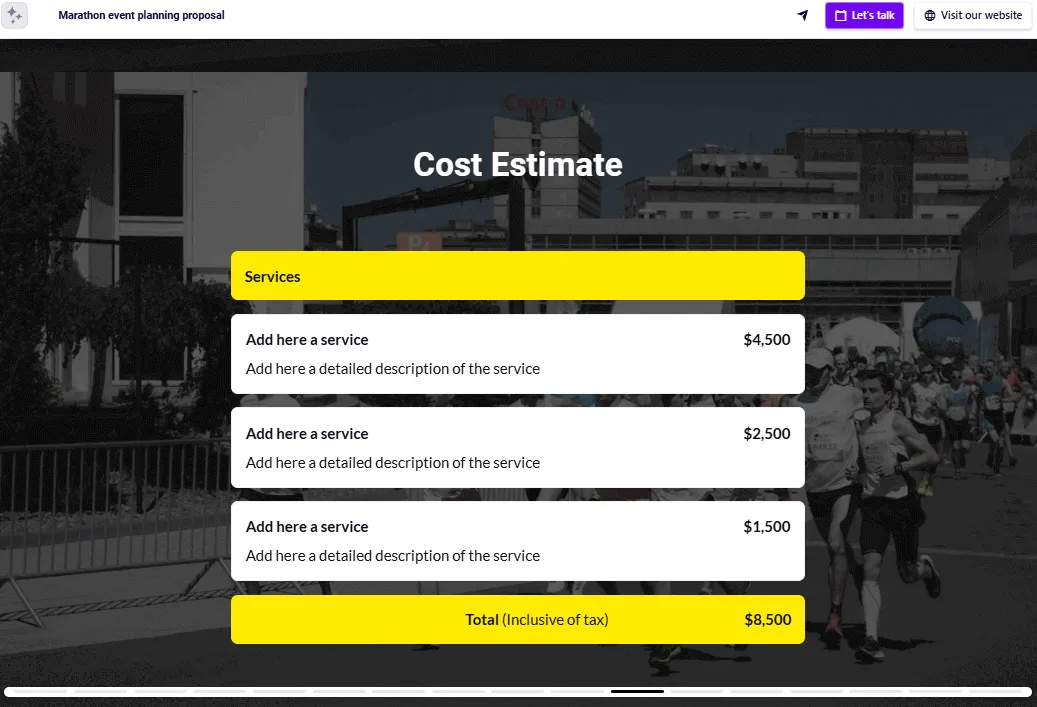
9) Budget
The budget is where you show that every dollar is accounted for and wisely spent.
Start by breaking down expected revenue streams—ticket sales, registration fees, vendor booths, and any partnerships you’ve secured. Make it clear how the event will generate income.
Next, break down the expenses in a way that’s easy to follow. Cover everything—venue, equipment, staffing, security, marketing—so clients can clearly see where their money is going and why it matters.
Be upfront about the numbers and show how each cost plays an essential role in making the event a success.
The point is to make it clear that every expense has a purpose, and their investment is being put to good use in all the right places.
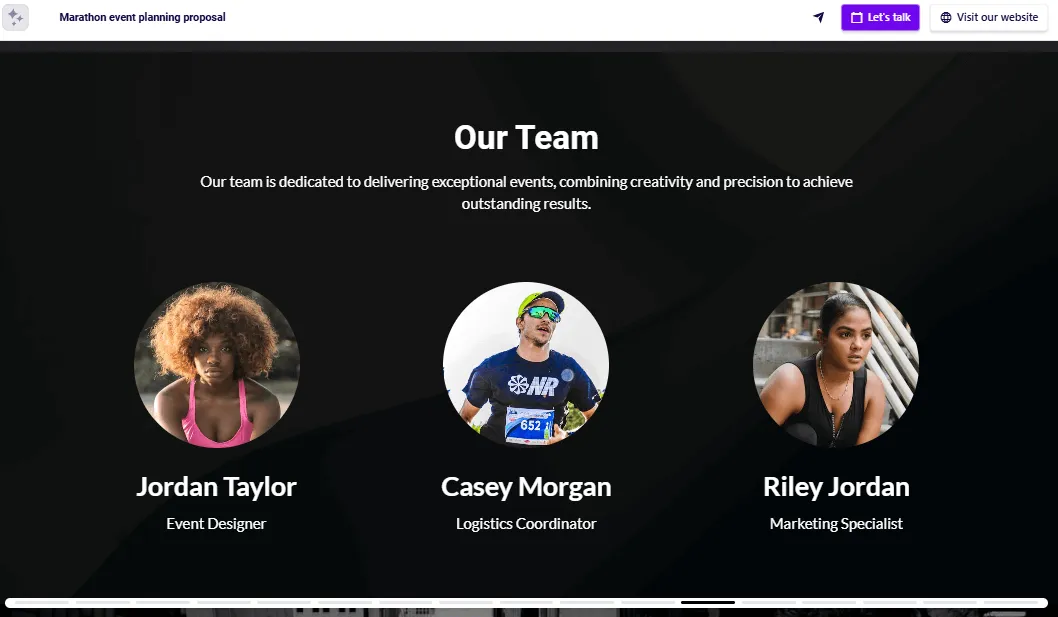
10) Team
Your event is only as strong as the team behind it, so this slide has to show the strength of the people running the show. Highlight the team’s experience and how they’ve pulled off similar events successfully.
This is where you make the client feel like their event is in the best hands. They need to know they’re working with a team of pros who know exactly how to bring their vision to life.
11) Testimonials
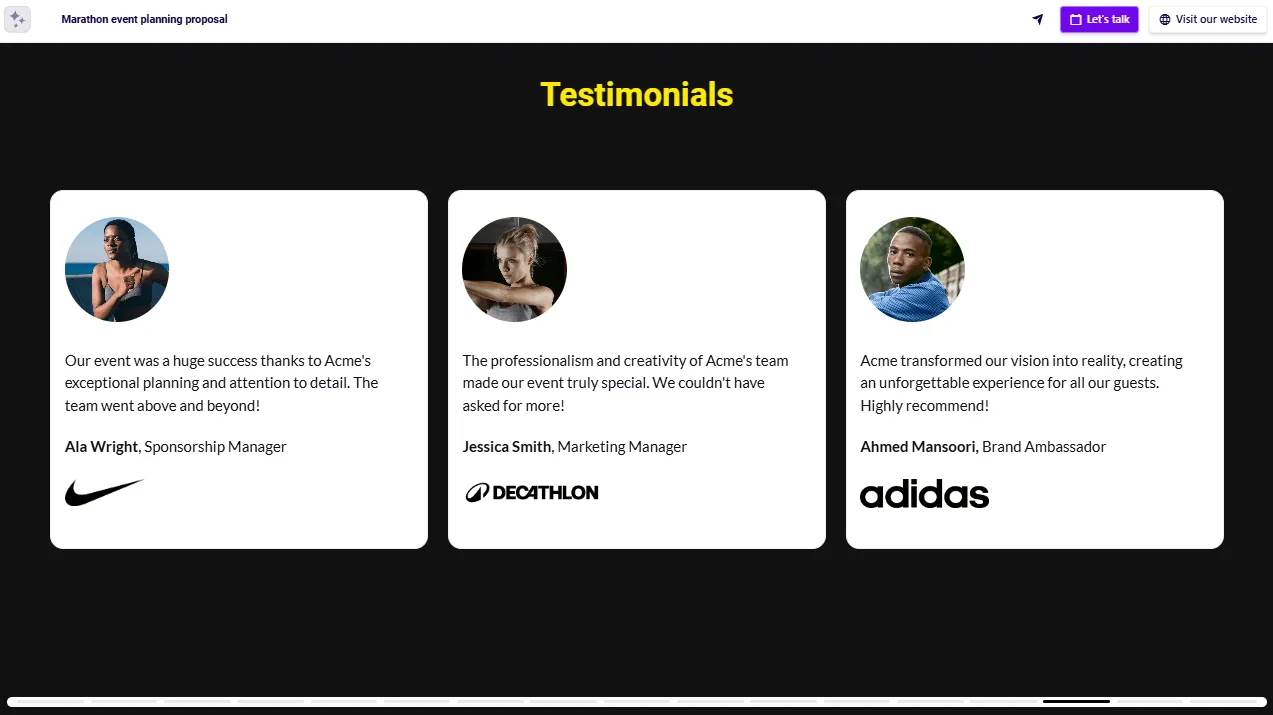
There’s nothing more powerful than hearing from past clients. This slide lets their words speak for you.
It’s one thing to say you’re great at what you do, but it’s way more impactful when your clients say it for you.
But don’t just throw in generic praise—look for quotes that tell a story. Maybe it’s about how you turned a last-minute challenge into a win, or how your attention to detail made their event unforgettable.
The key is to show potential clients that others have trusted you with their big moments, and you delivered beyond expectations.
12) Bonus: Sponsorship details
This slide is optional and only for those who want to use the same deck to seek sponsorships for the event. If that’s not your goal, it belongs in a separate sports sponsorship proposal.
For those looking to secure sponsors, now’s the time to lay out your sponsorship packages.
Offer a few tiers—like gold, silver, and bronze—and be clear about what each level includes. Think about perks like branding opportunities, social media mentions, or VIP access.
Keep it straightforward so potential sponsors know exactly what they’re getting.
Make sure to highlight the value of their investment, but give them flexibility too—mention any custom options for those looking for something more specific.
13) Terms and Conditions
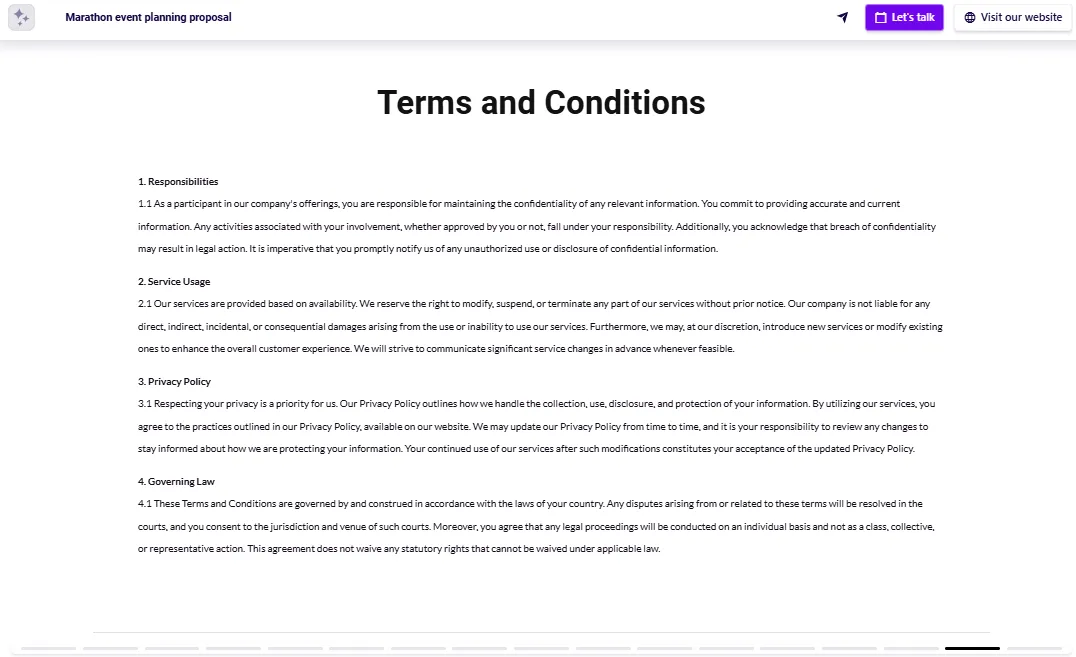
In this section, you’ll want to cover the key details of the event agreement—things like payment terms, deadlines, and what each party is responsible for.
Include cancellation policies and make it clear what the client can expect from you and what you’ll need from them.
Keep it simple and clear—this isn’t the place for complicated legal terms. The goal is to make sure you and your client are on the same page right from the start, leaving no room for confusion or misunderstandings later on.
14) Approval
If you want to use this proposal as a contract, add an e-signature option so your client can sign off right on the spot.
Forget about printing and paperwork—this makes it quick and effortless to get their approval and keep things moving without any delays.
15) Contact slide
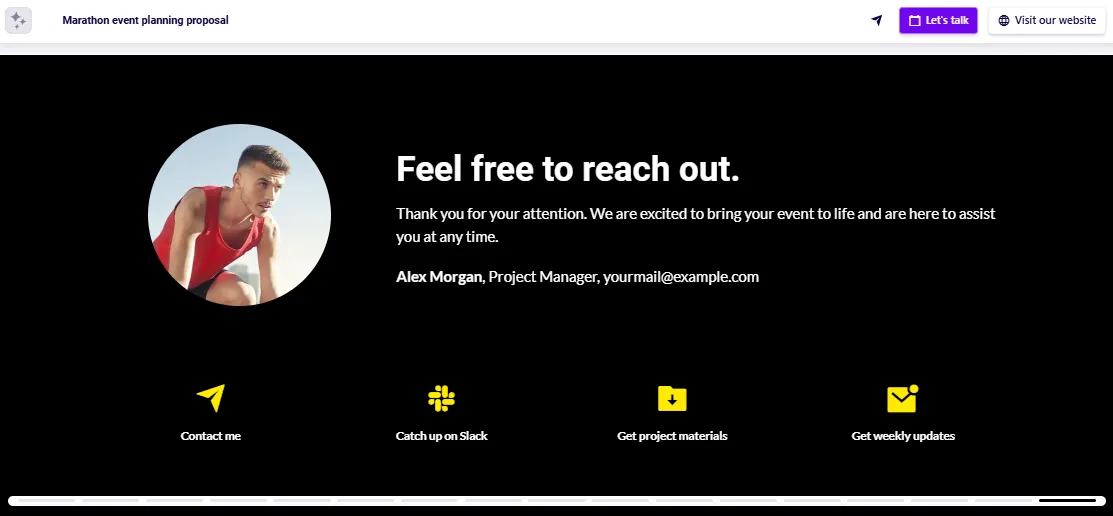
One of the biggest mistakes in event proposals, or any deck for that matter, is closing off communication and ending with a basic “Thank you” slide.
Make it simple for clients to stay in touch by including your name, email, phone number, and even your social media links. If needed, embed your calendar so they can book a meeting with you directly.
The easier you make it for them to reach out, the more comfortable they’ll feel moving forward with you.
Interactive sports event proposal templates
Many sport event proposals are text-heavy, which doesn’t capture the excitement that comes with sports.
Interactive sports event proposal templates allow you to go beyond the basics with a structure based on what has proven effective for others in the past.
By creating a more engaging experience, you’ll stand out from the competition and make a stronger case for why clients should choose to work with you.
Just grab one.